From the scandalous Jazz Age to the precision cuts of the 60s, the Bob Cut is the most enduring symbol of female liberation. It’s a revolution played out in scissors and combs.
01
The Roaring 20s: The "Bob" Rebellion
Post-WWI, women flooded factories and offices. Long, Victorian hair wasn't just impractical; it was a shackle of the old world. As the Suffragette movement peaked, the "New Woman" emerged—independent, confident, and short-haired.
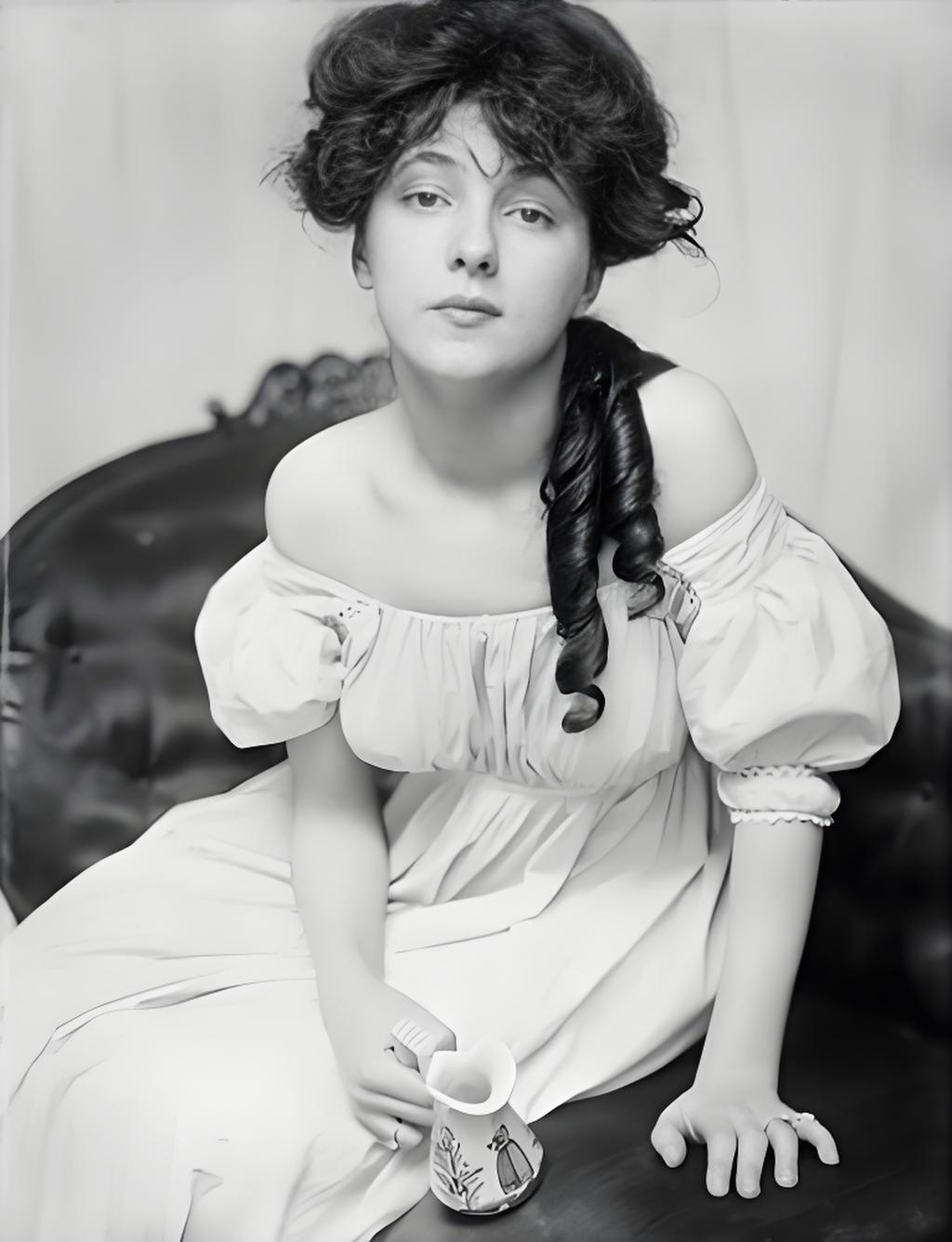
1915
The Spark (Evelyn Nesbit)
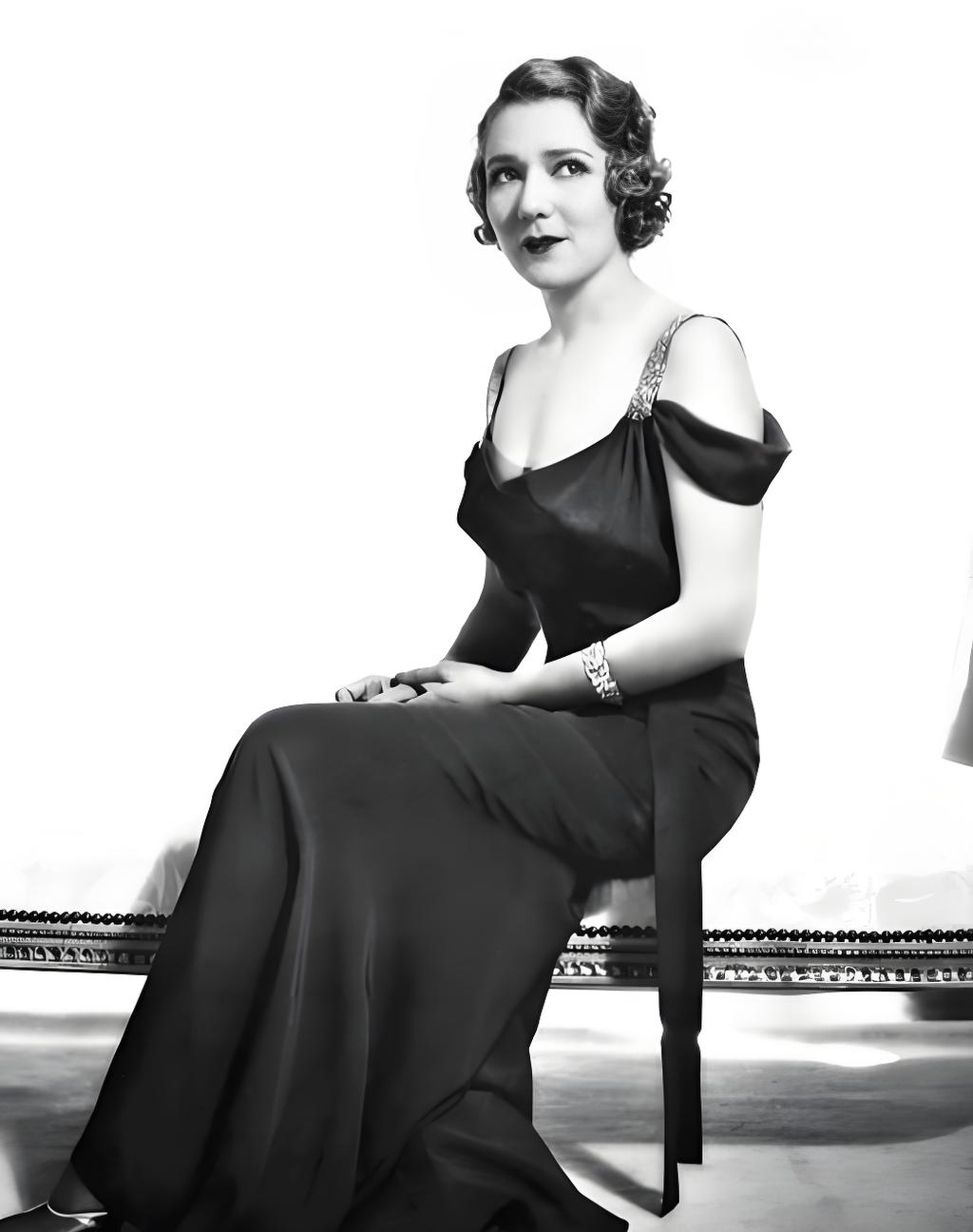
1922
The Shock (Mary Pickford)
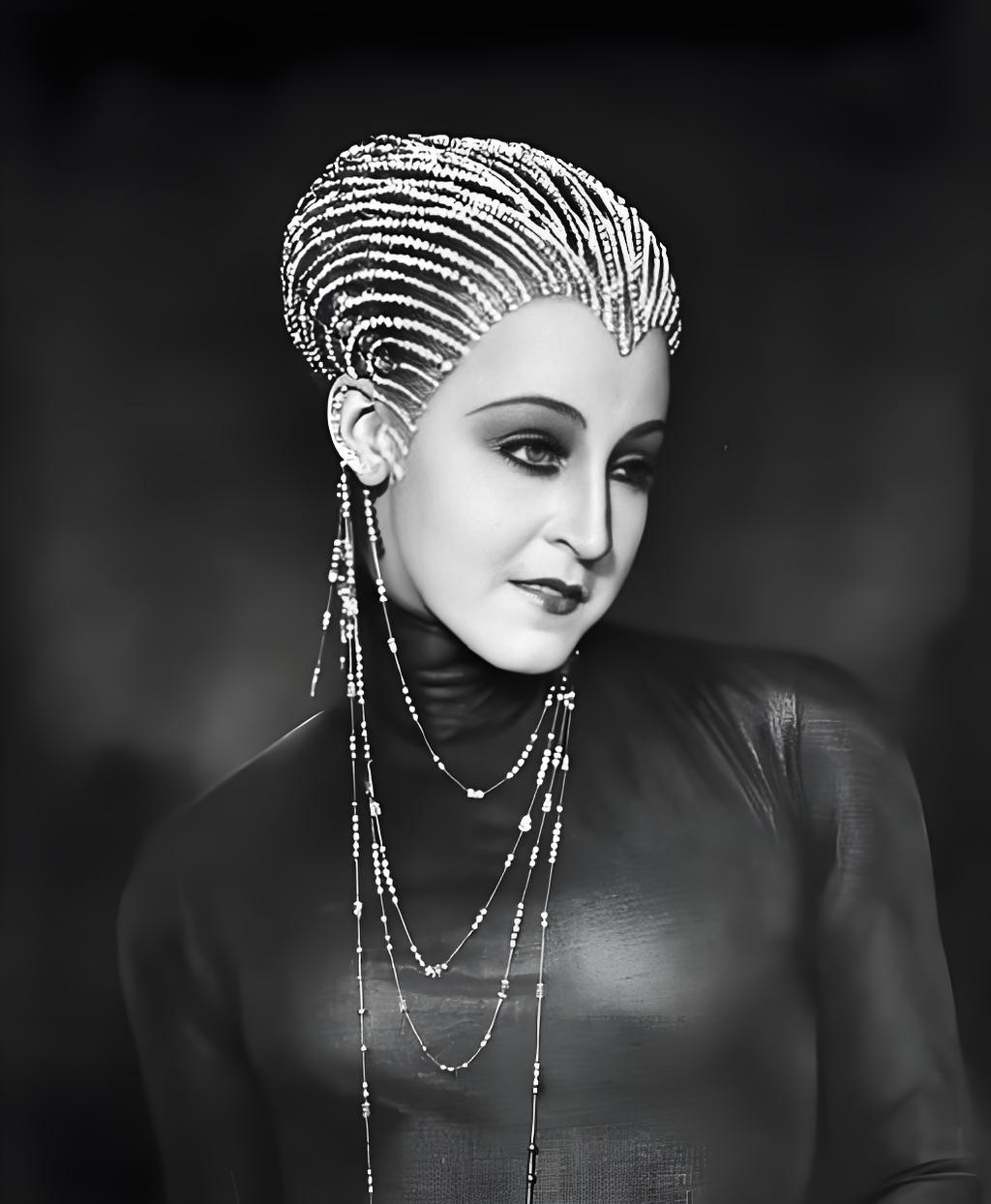
1927
The Future (Metropolis)
"Cutting off long hair was a political act. It meant cutting off dependency on the patriarchy."
02
1930s-50s: Softness & Revival
During the Depression and WWII, practicality returned, but the Bob evolved into softer waves or pixie cuts.
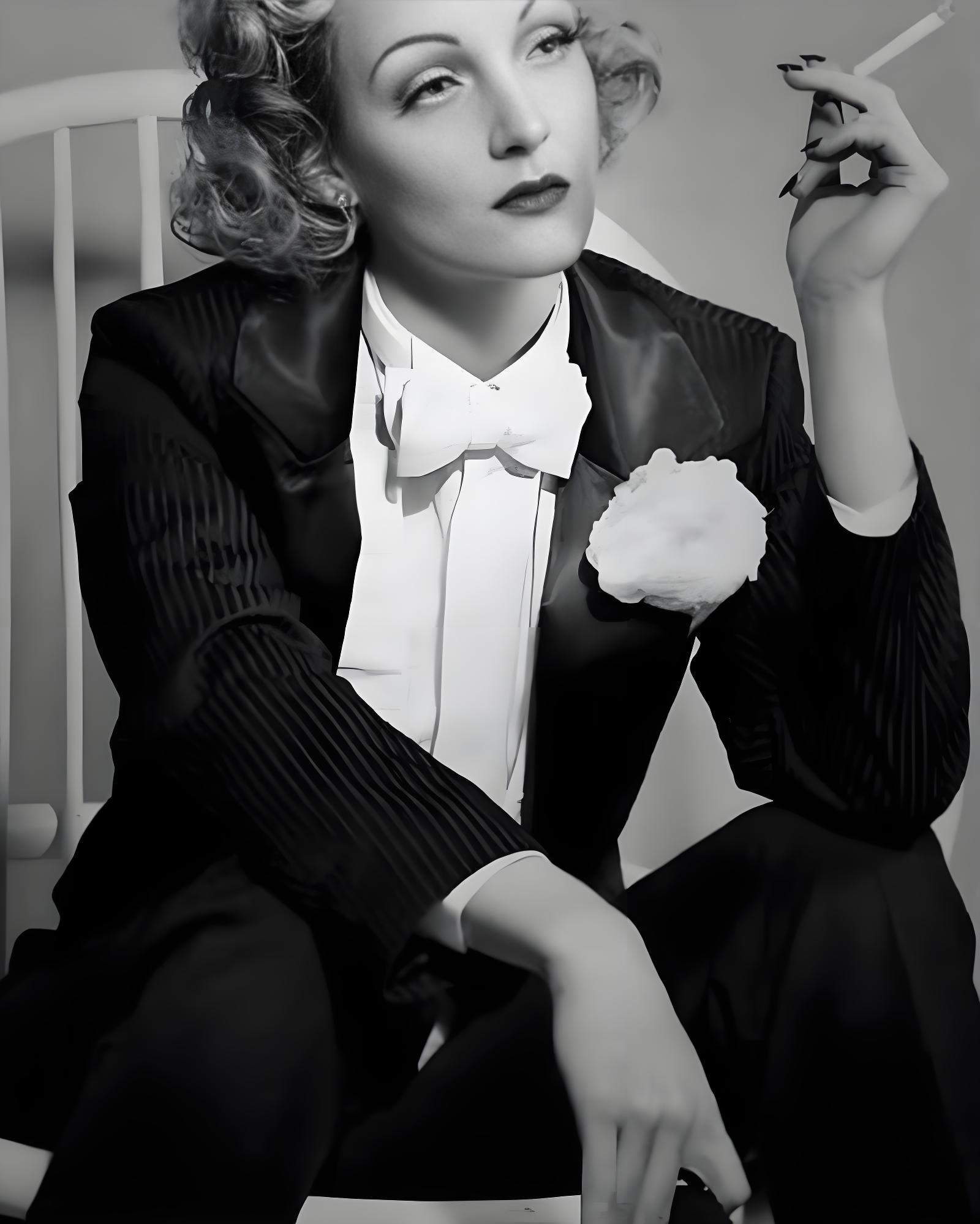
1930s: Androgynous Chic (Marlene Dietrich)
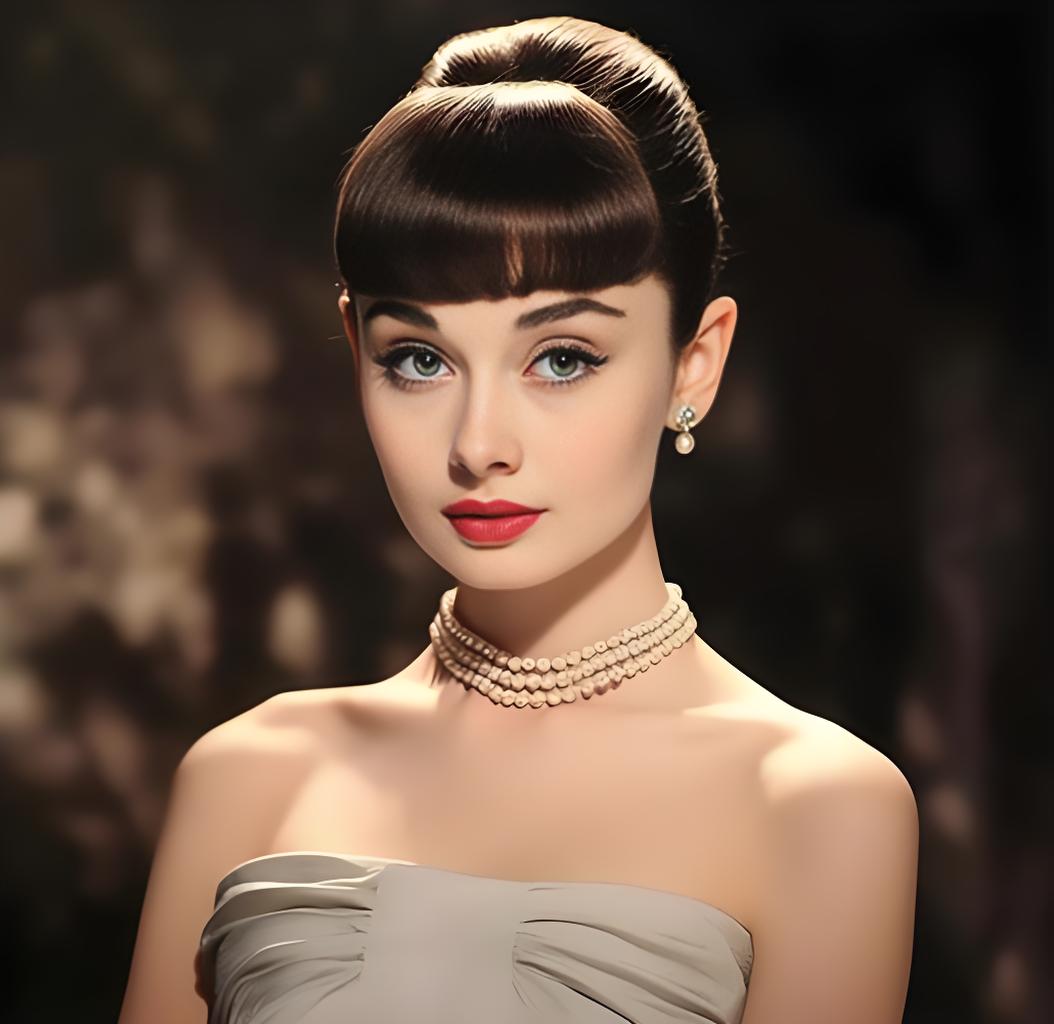
1950s: The Pixie-Bob (Audrey Hepburn)
03
1960s: The Vidal Sassoon Revolution
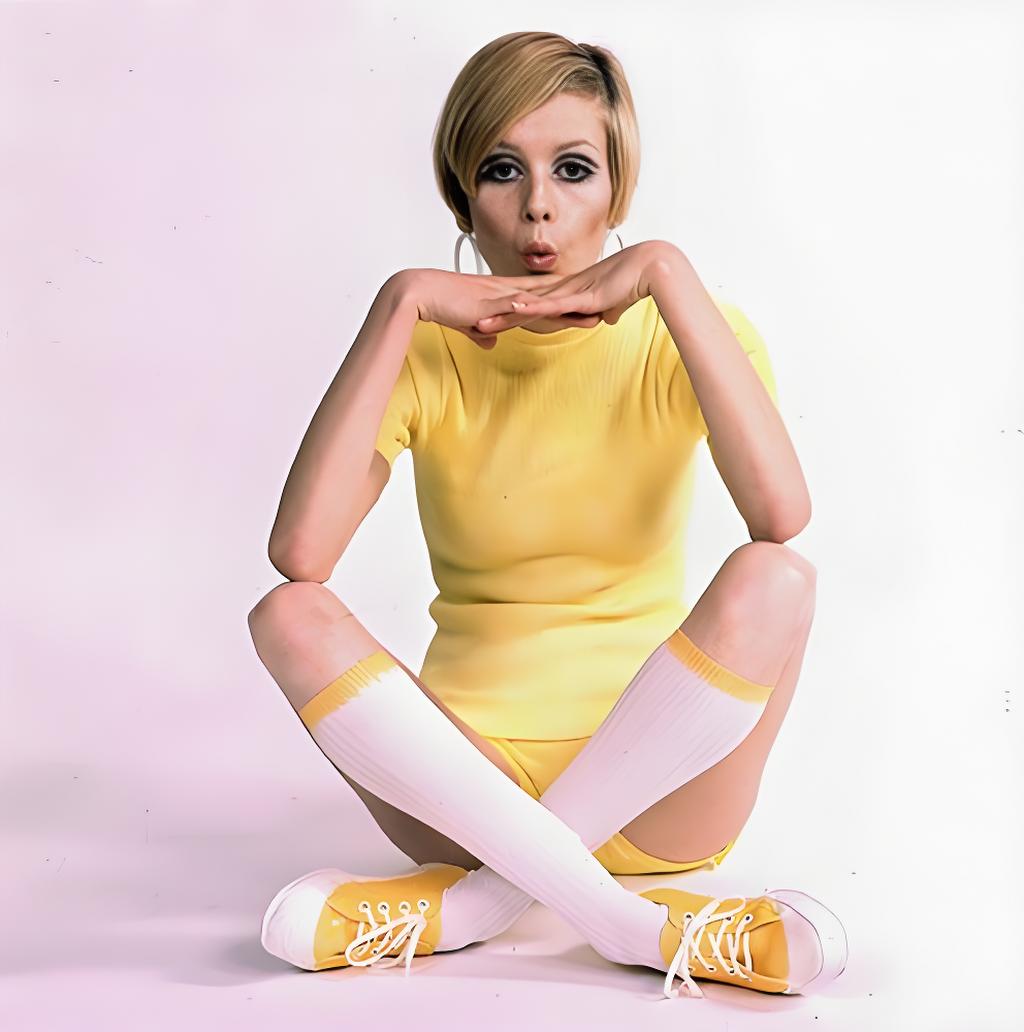
If the 20s were rebellion, the 60s were precision. British stylist Vidal Sassoon treated hair like architecture.
Vidal Sassoon believed the cut should fit the bone structure. Don't guess—use our AI to visualize a classic Chin-Length Bob on your own photo instantly.
No app download required
Instant 60s style rendering
Privacy focused
04
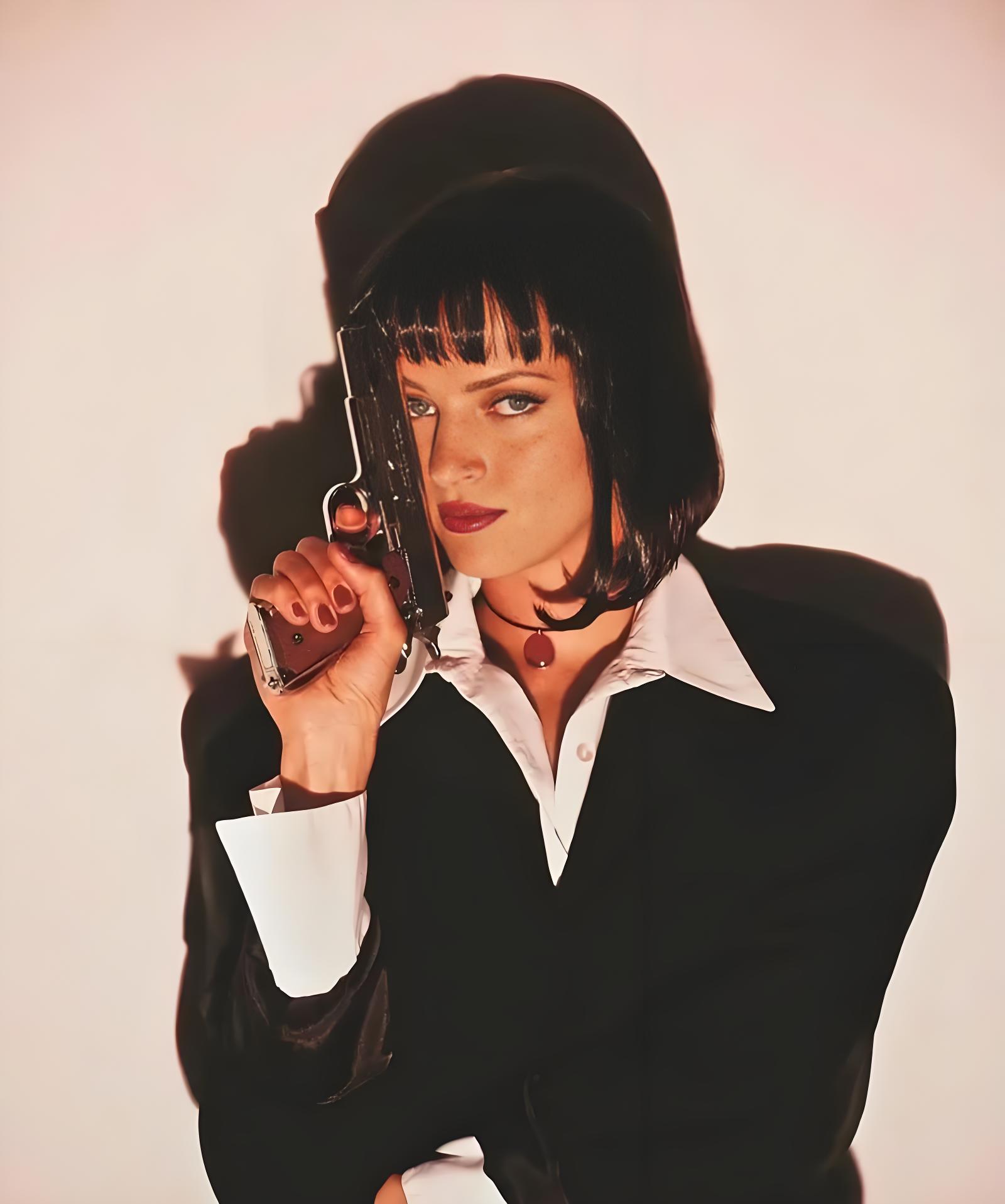
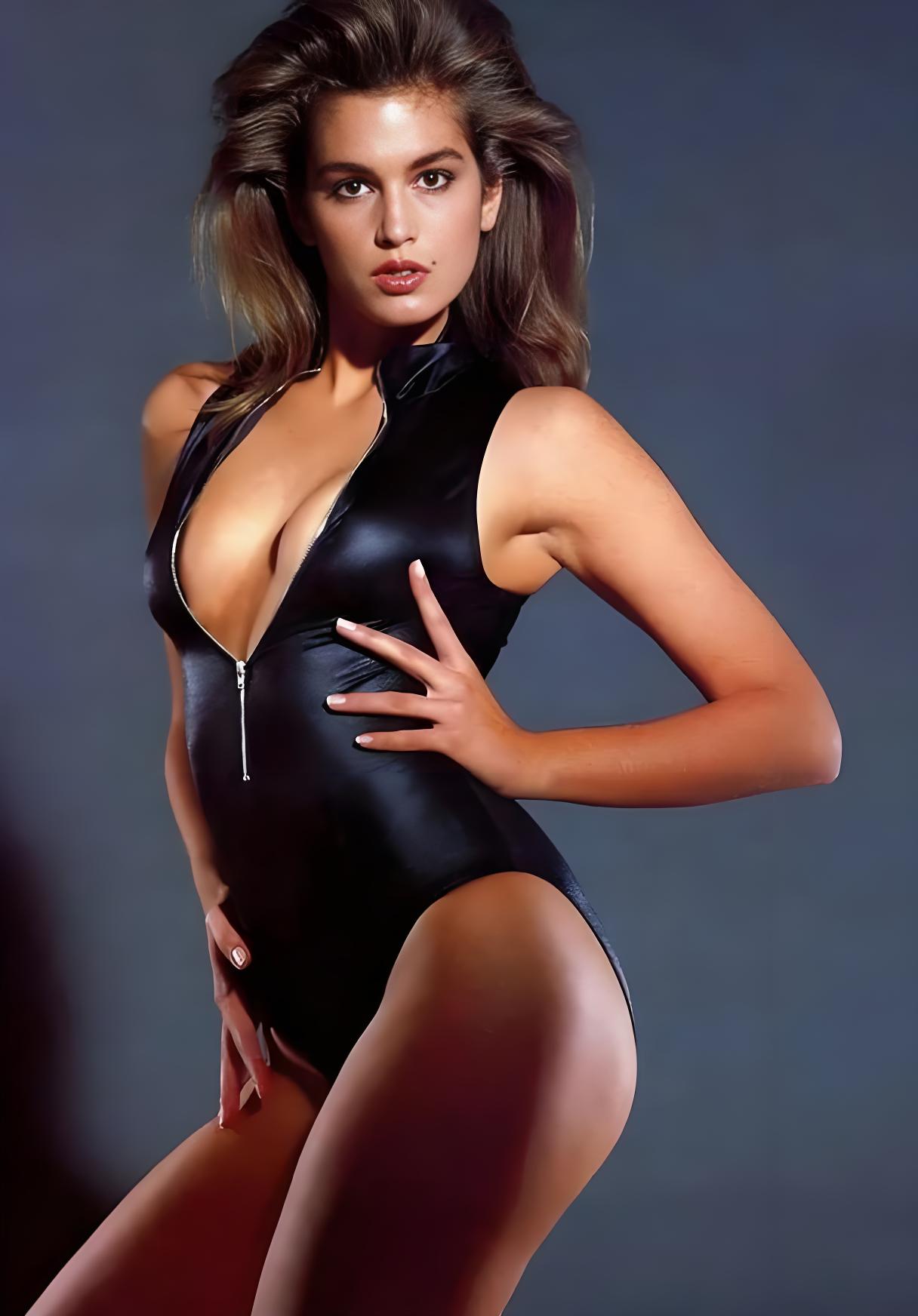
1970s-90s: Punk to Pulp Fiction
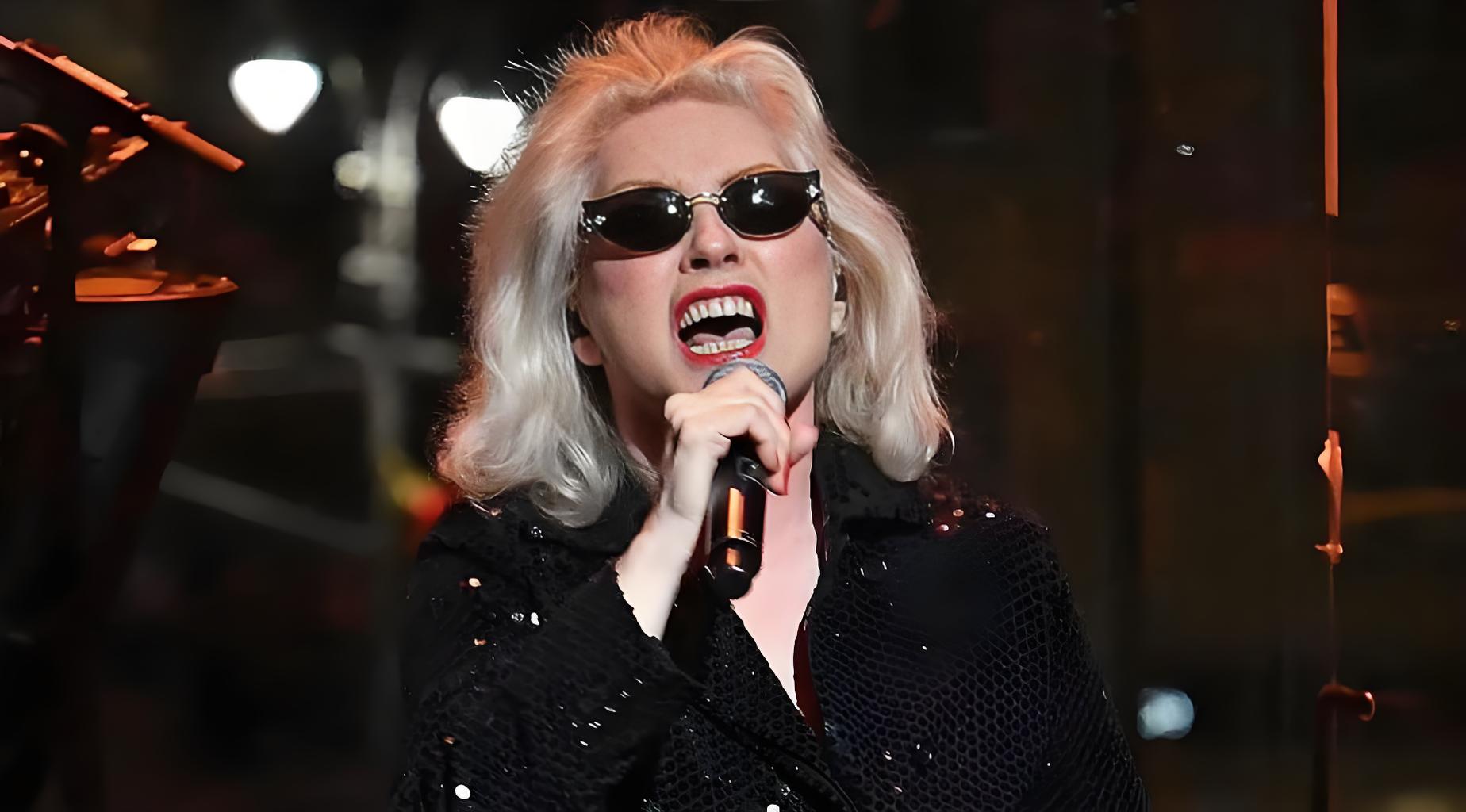
1970sDebbie Harry: The Punk Texture
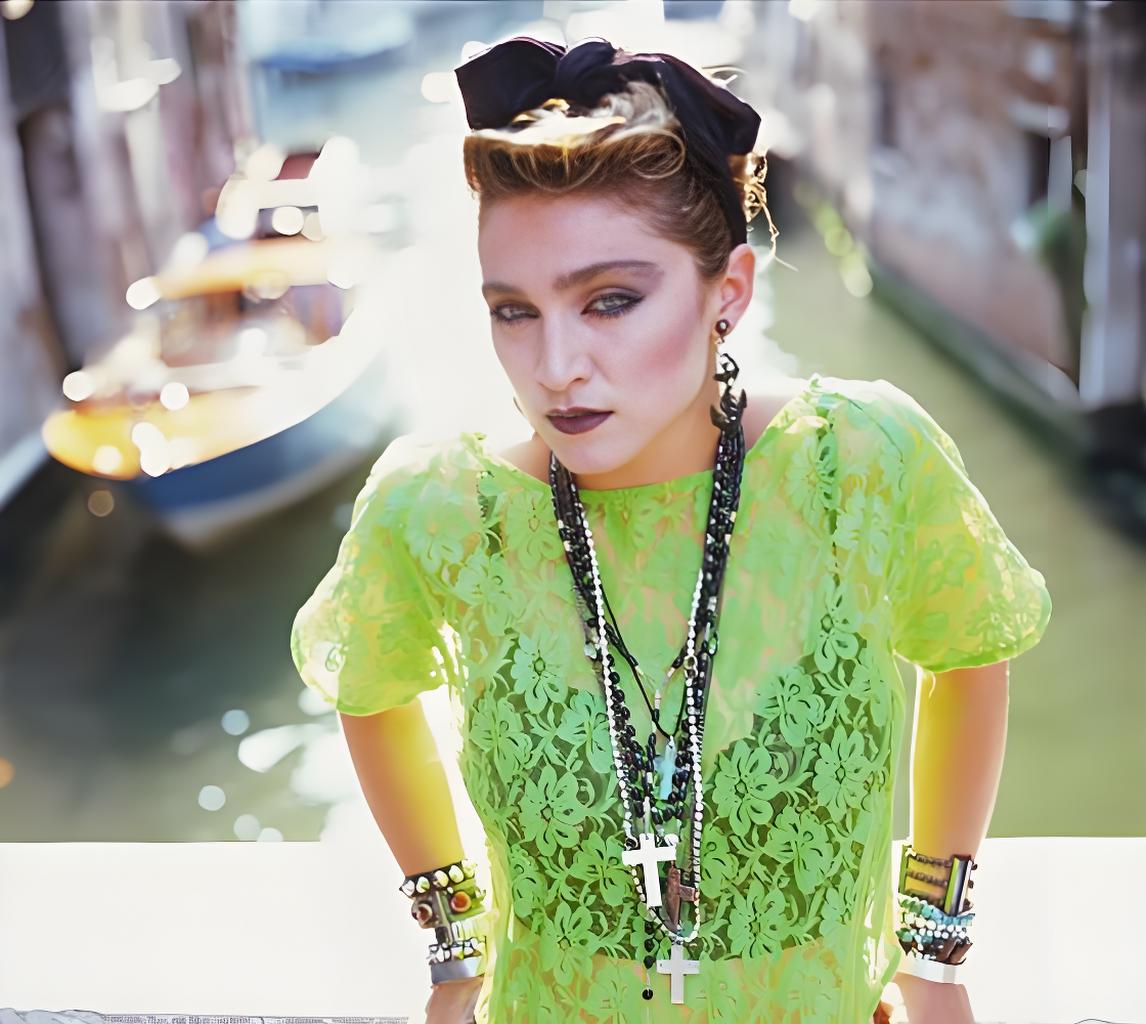
80s
Volume & Power
Madonna reinvented the bob with wild texture and volume in her "Like a Virgin" era, symbolizing the decade's excess and female power.
Minimalist CoolUma Thurman (1994)
The Layered BobCindy Crawford (1990s)
05
21st Century: Infinite Possibilities
Style
Characteristics
Icons
Classic Bob
Chin-length, straight, inward curl.
Natalie Portman
Asymmetrical
Short back, long front (A-line).
Rihanna
French Bob
Ear-length, often with bangs.
Taylor Lashae
LOB (Long Bob)
Collarbone length, universally flattering.
Blake Lively
"Don't be a slave to style. Master it."
— Vidal Sassoon
The Bob is immortal because it is never just "hair"—it is an attitude, a declaration, and an answer to "Who do I want to be?"