Diamond Face Shape Guide: How to Soften Angles & Boost Your Beauty by 50%
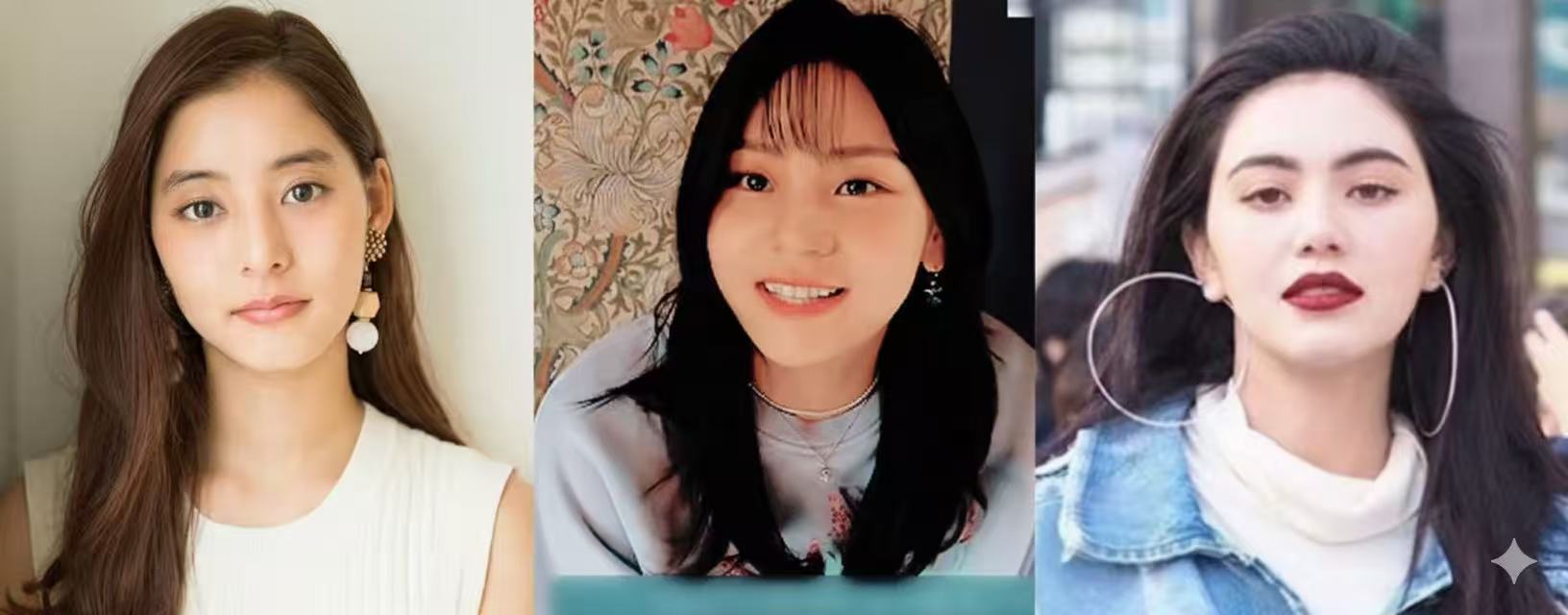
High cheekbones, narrow forehead, pointed chin. The Diamond face is unique but challenging. Choosing the right hairstyle isn't just about trends—it's about geometry.
Do You Face These Struggles?
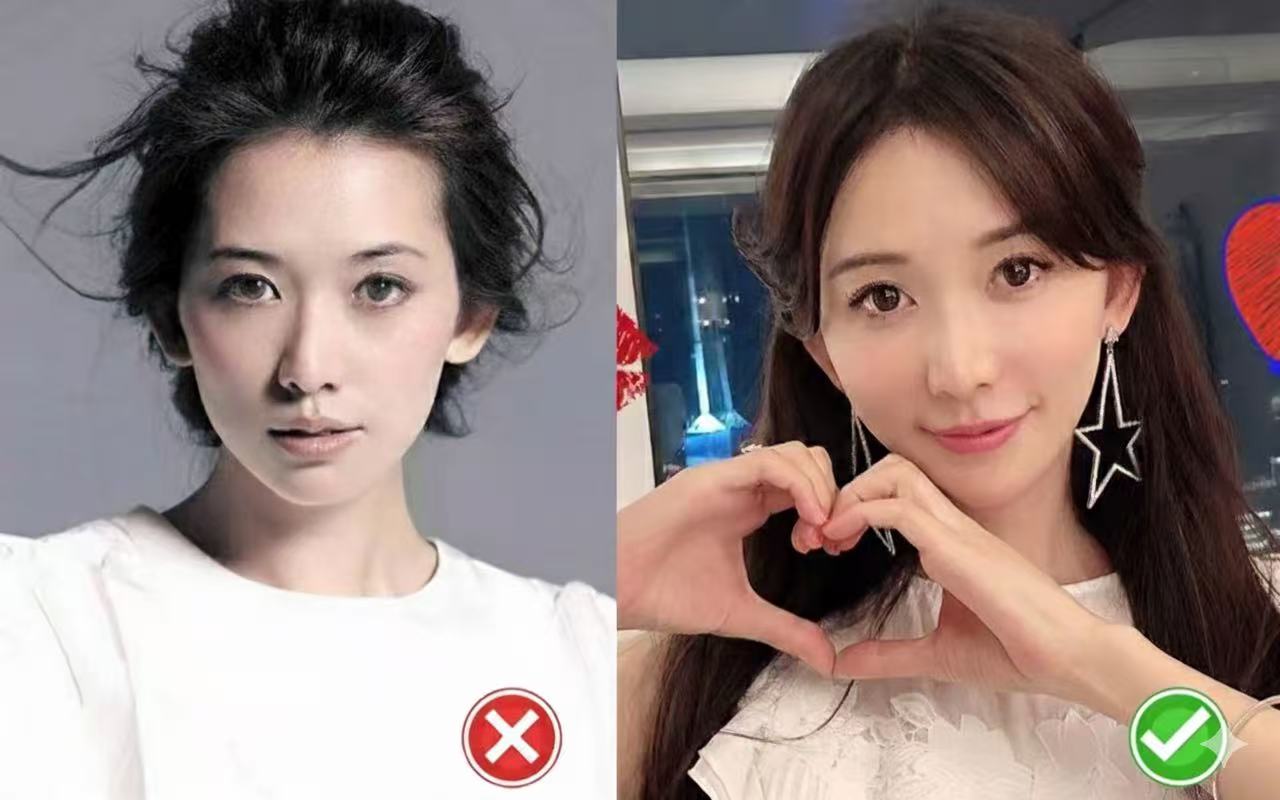
1. Flat hair looks pointy
2. Tied hair exposes forehead
3. Bangs highlight cheekbones
4. Shoulder curls look old
Even celebrities struggle with this. But the right hairstyle can hide weaknesses and highlight strengths, instantly boosting your look.
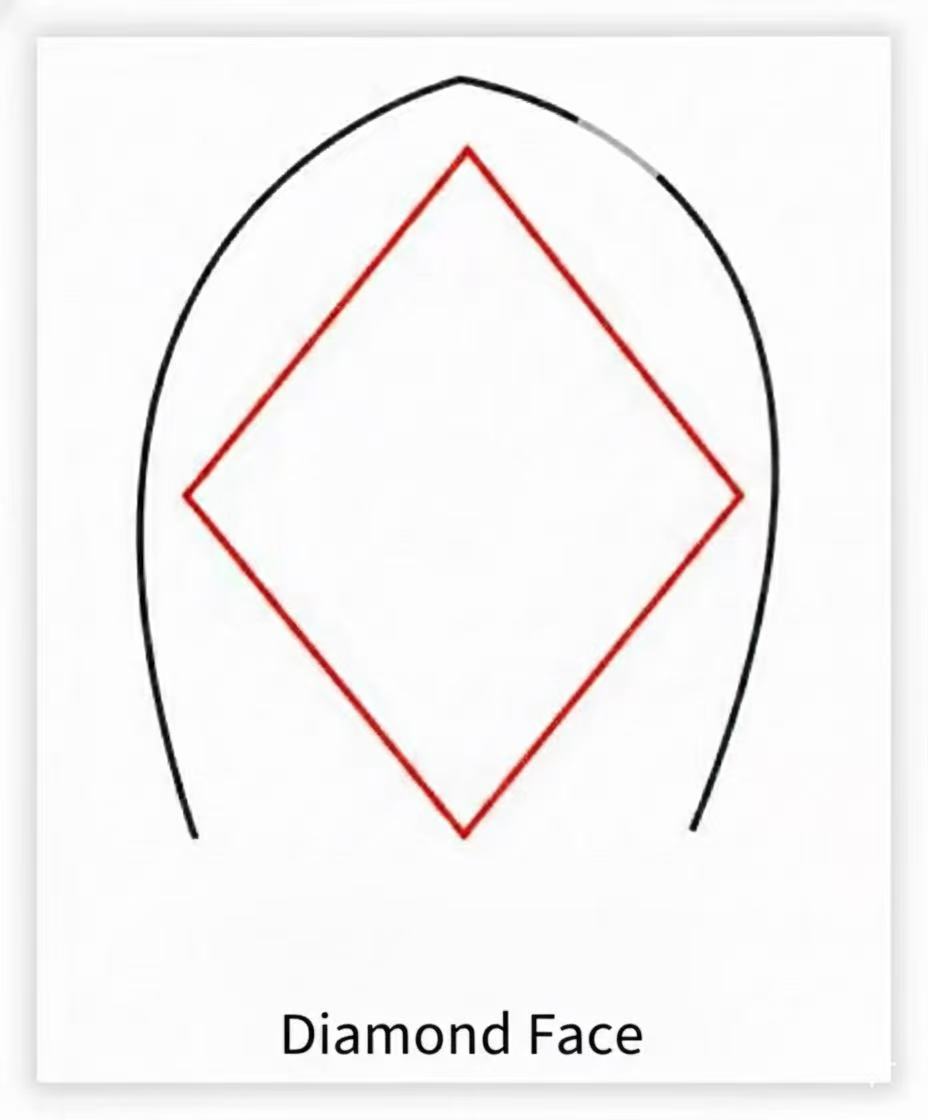
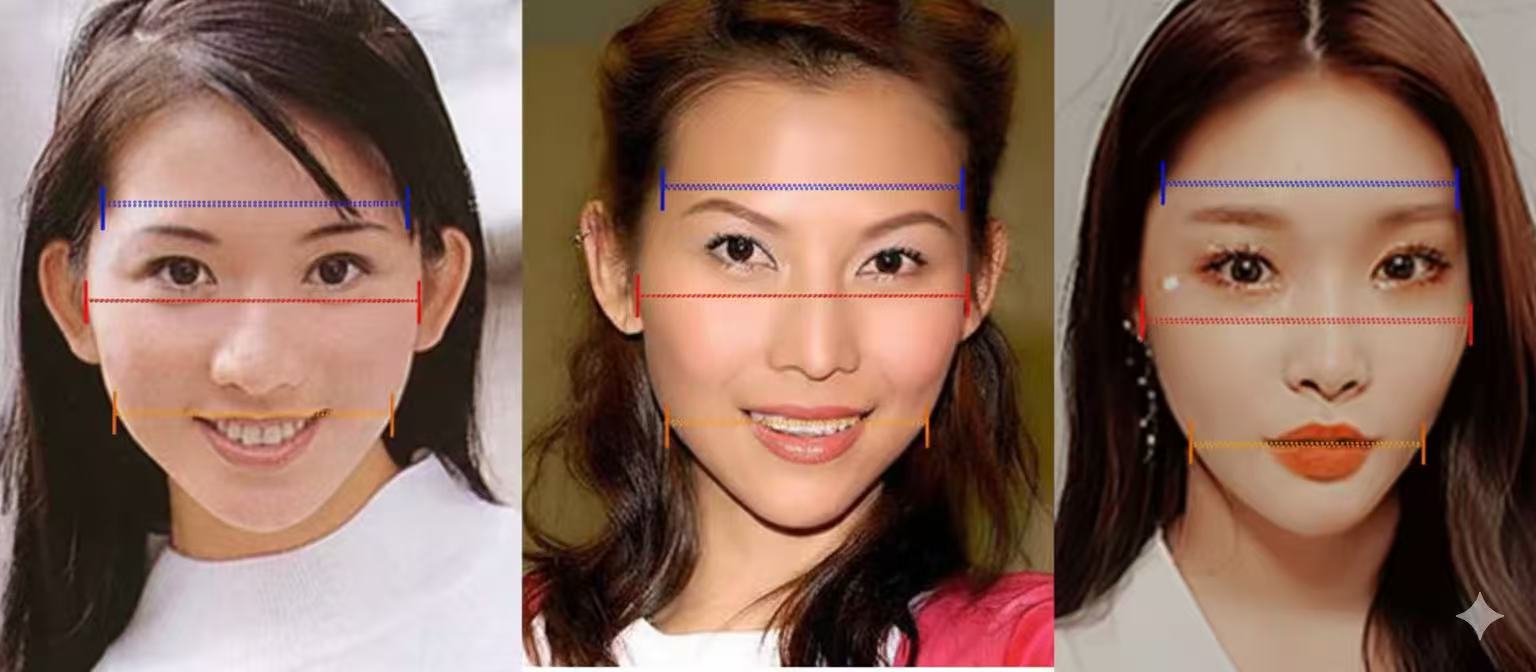
Visually: Narrow forehead, widest at cheekbones, sharp chin. It looks like a diamond (♦️), angular and sharp. The main issue is the pointy forehead and wide cheekbones.
What's Your Face Shape?
Use our free AI tool below to analyze your face shape instantly.
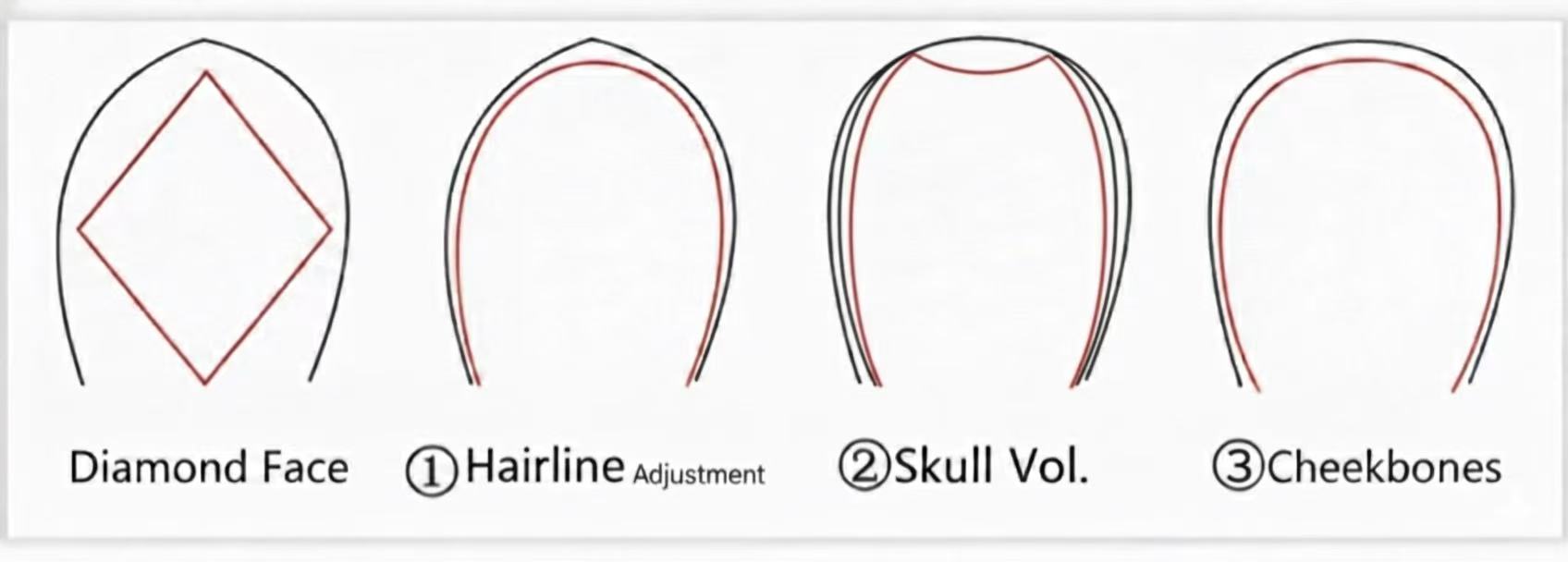
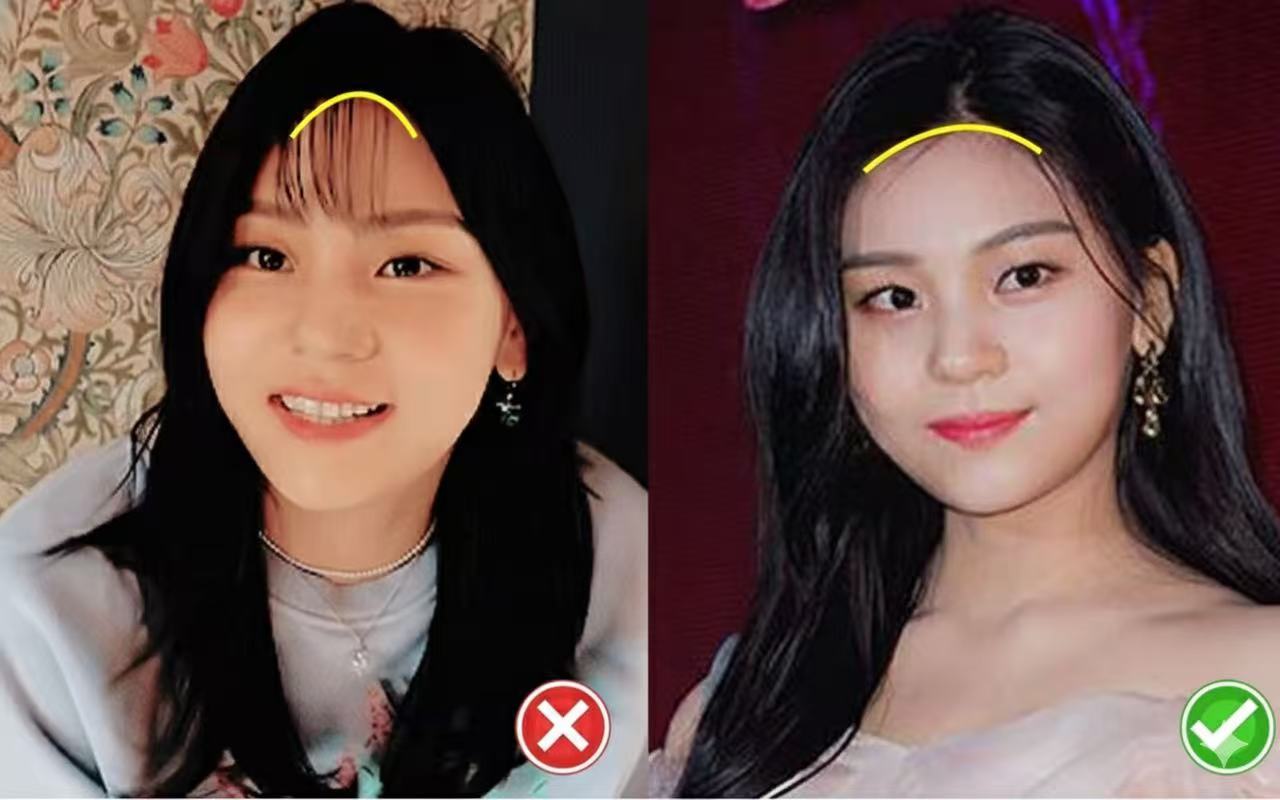
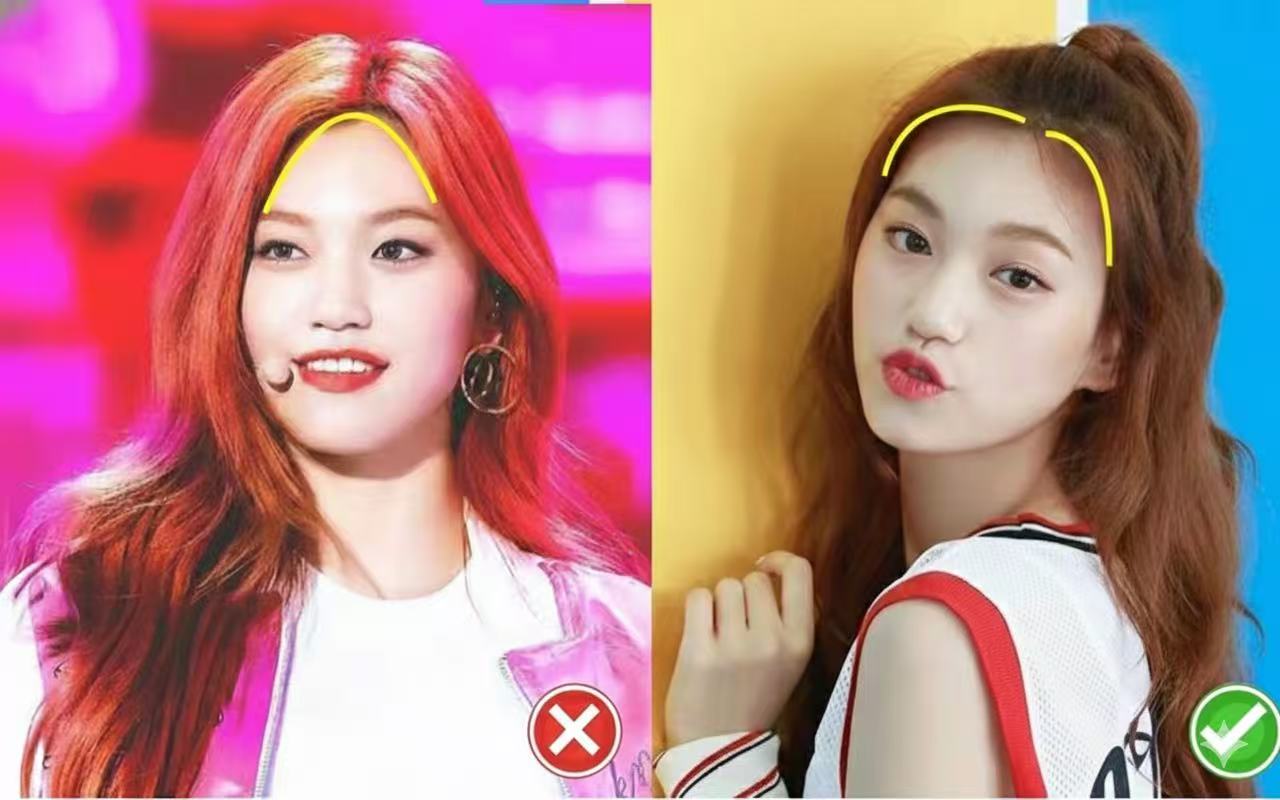
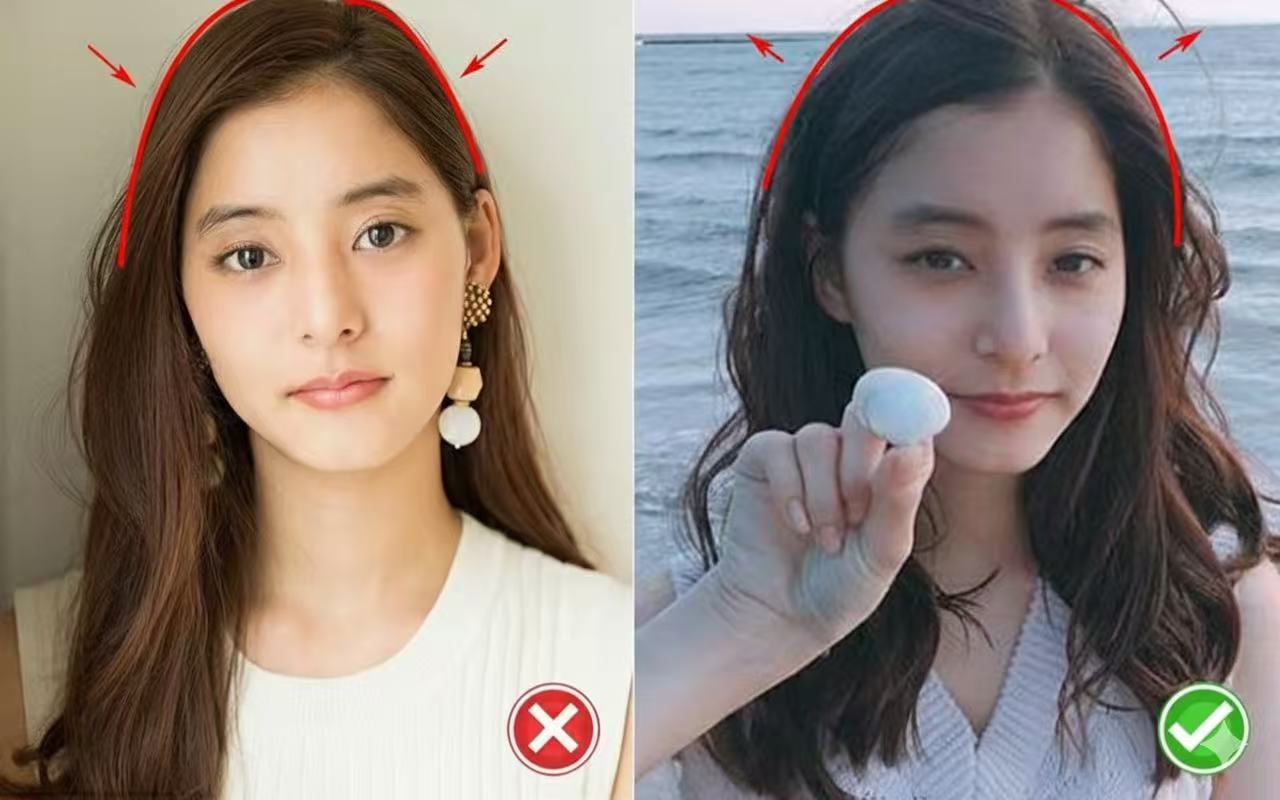
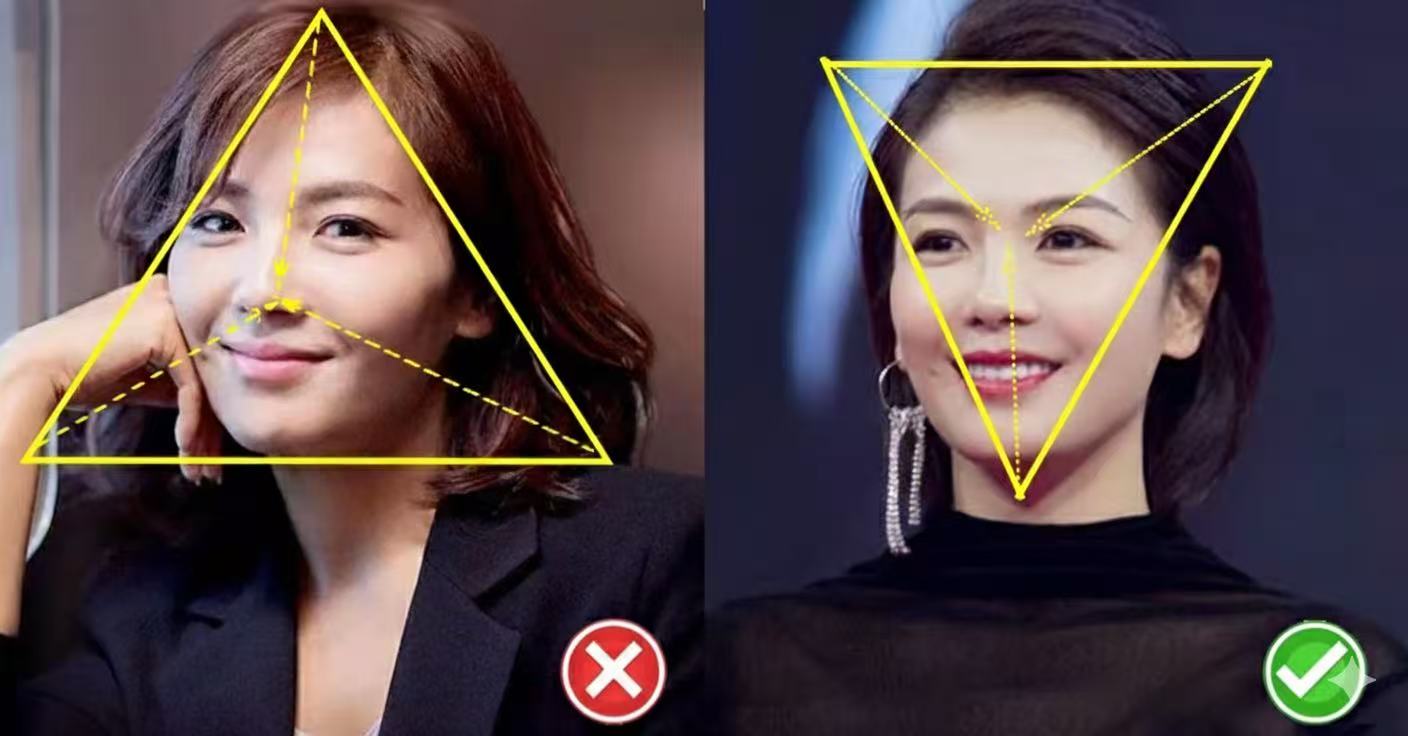
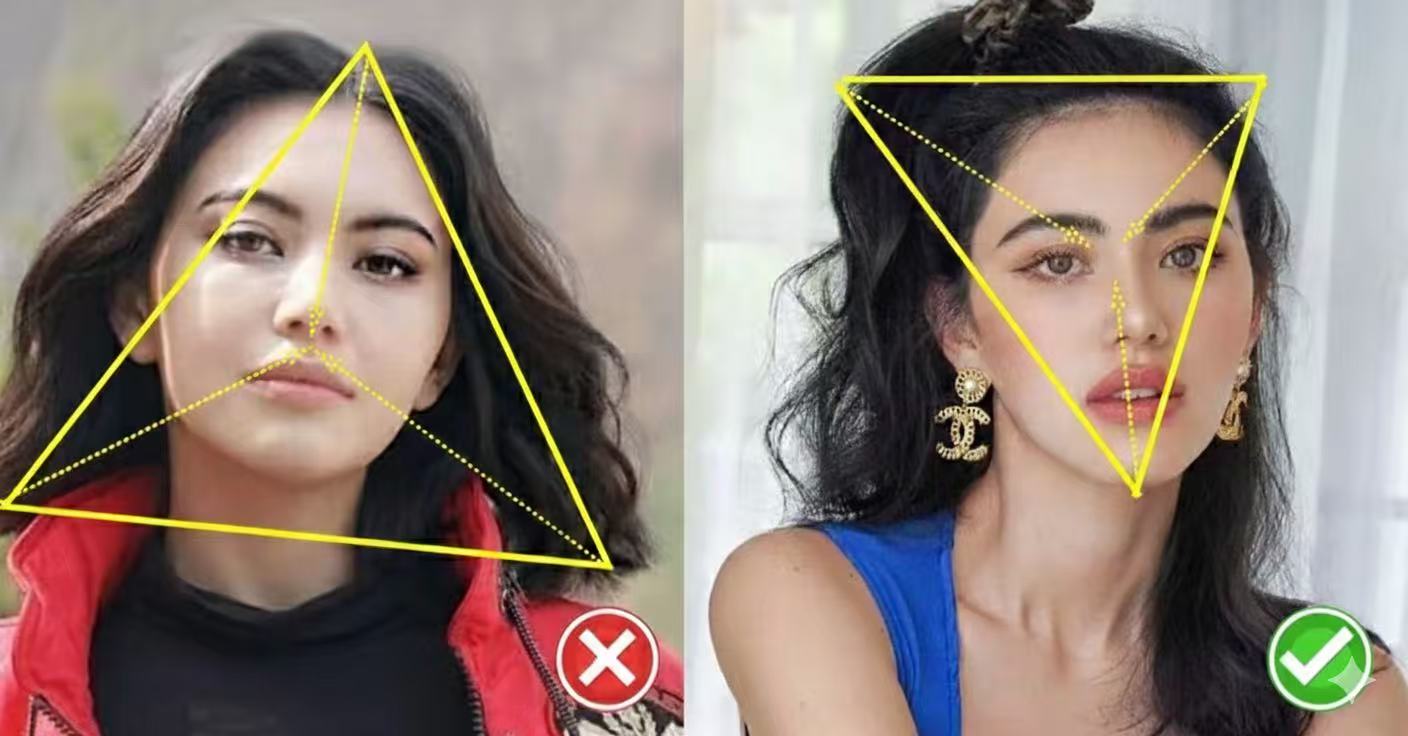
Rule 1: Adjust Hairline (Round the Pointy Forehead)
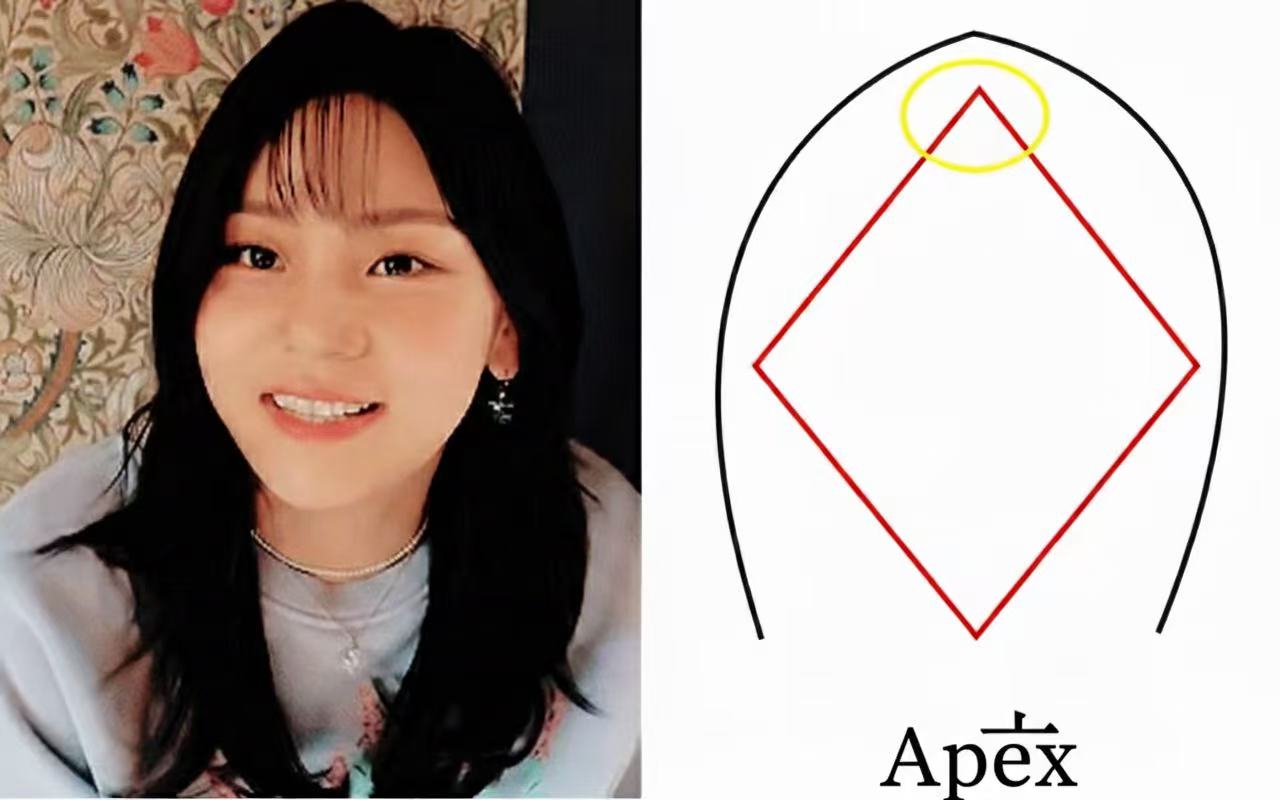
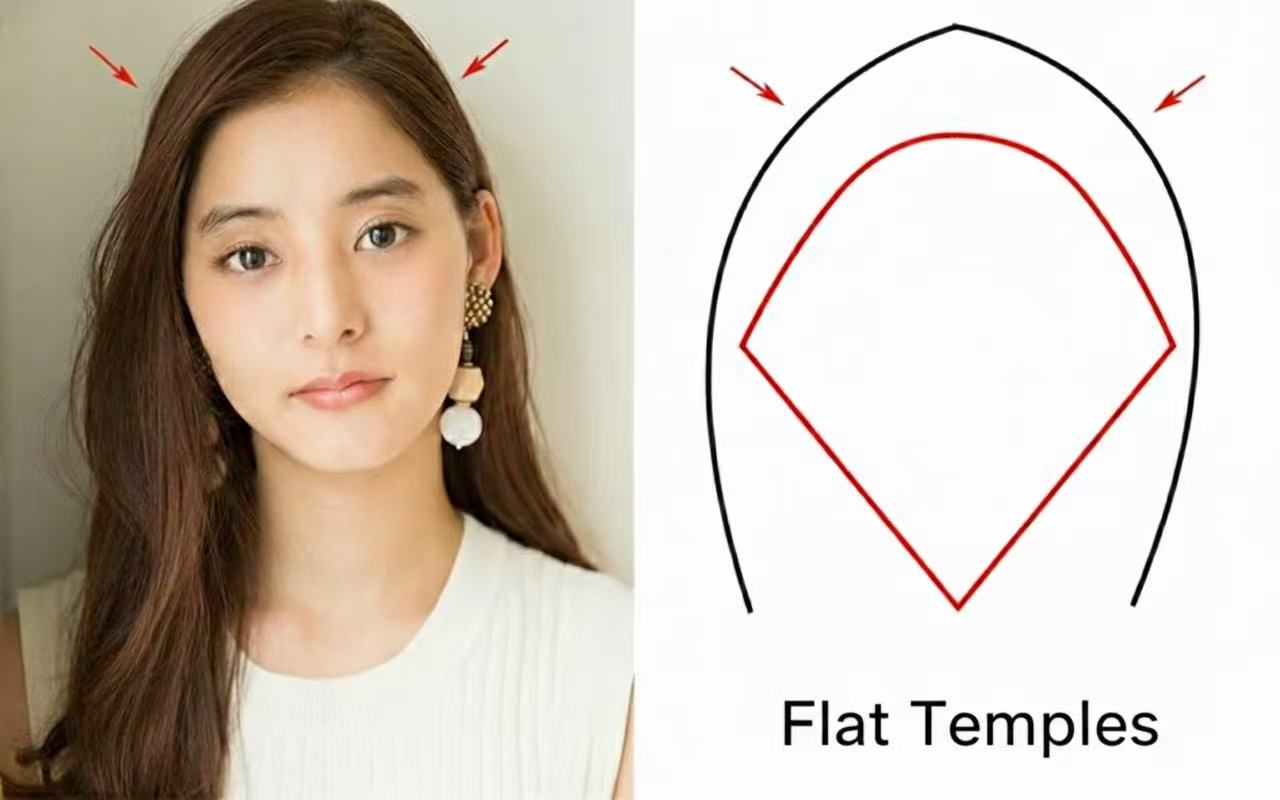
Diamond faces often have undeveloped temporal bones (temples), making the sides of the head flat and the forehead pointy (triangle shape).
Solutions:
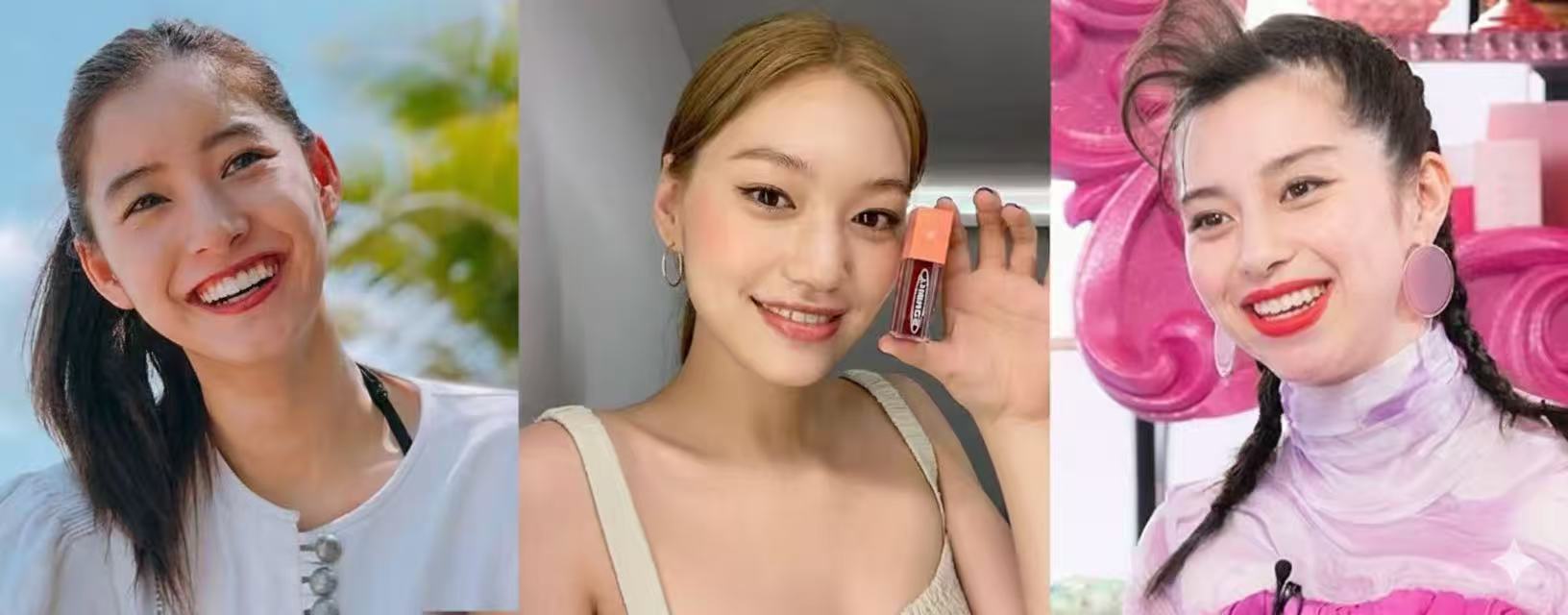
① Flatten Top Line Most hairlines peak in the middle. Use a Side Part to create a flatter line, reducing the "pointy" look.
② Lift & Curl the Sides Don't let roots stick to the scalp. Use a curling iron to lift the roots at the temples, turning the forehead from "triangle" to "rectangle".
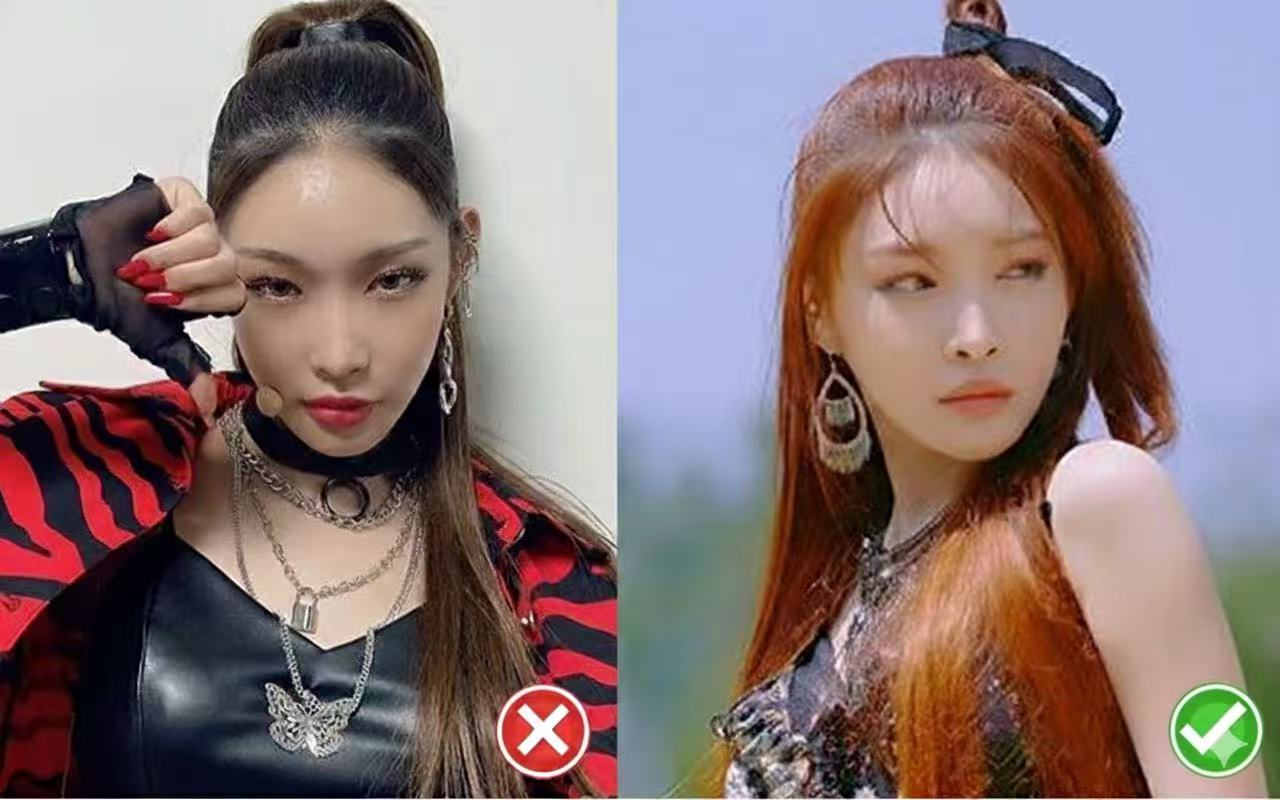
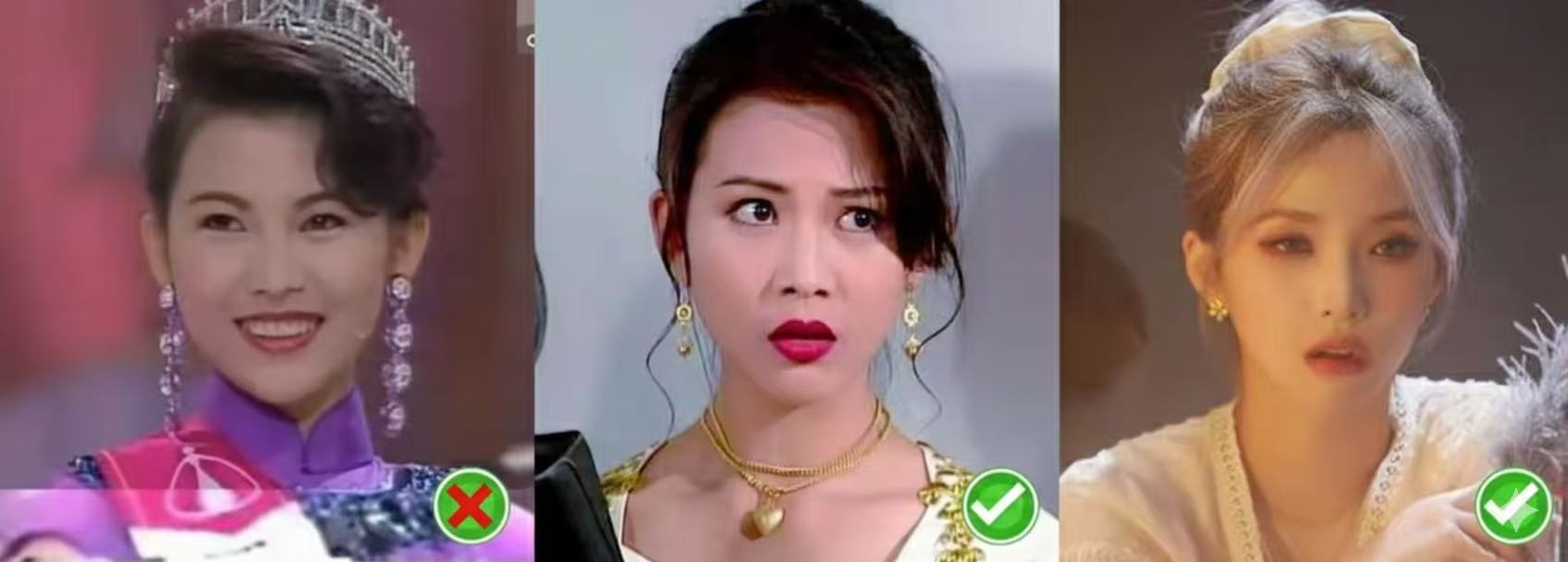
③ Half-Bun Tying a half-bun exposes the forehead but keeps volume. Remember to use baby hairs to soften the edges.
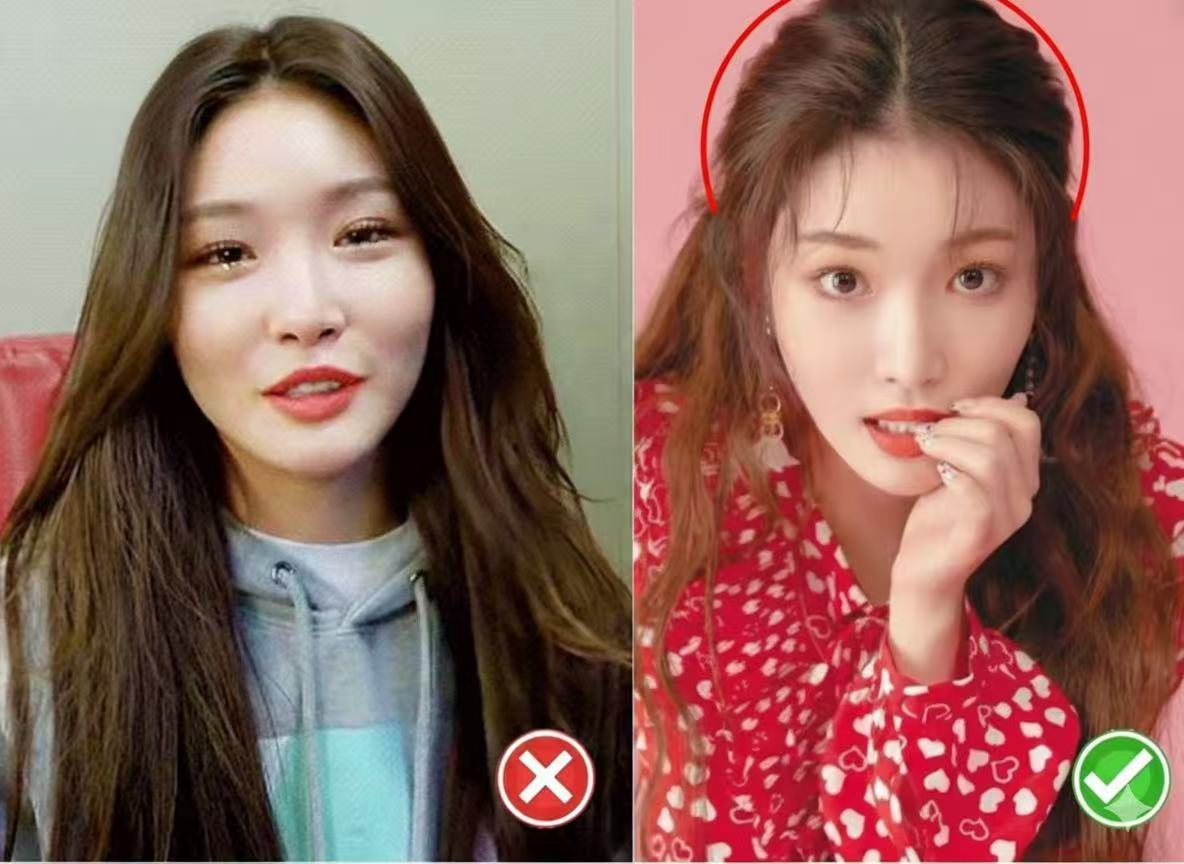
Rule 2: Volumize Roots & Fill Temples
Increasing forehead exposure isn't enough. We must fill the sunken temples to create an "inverted triangle" (wide top, narrow bottom) illusion.
1. Root Perm
2. Side Braids
3. Side Curls
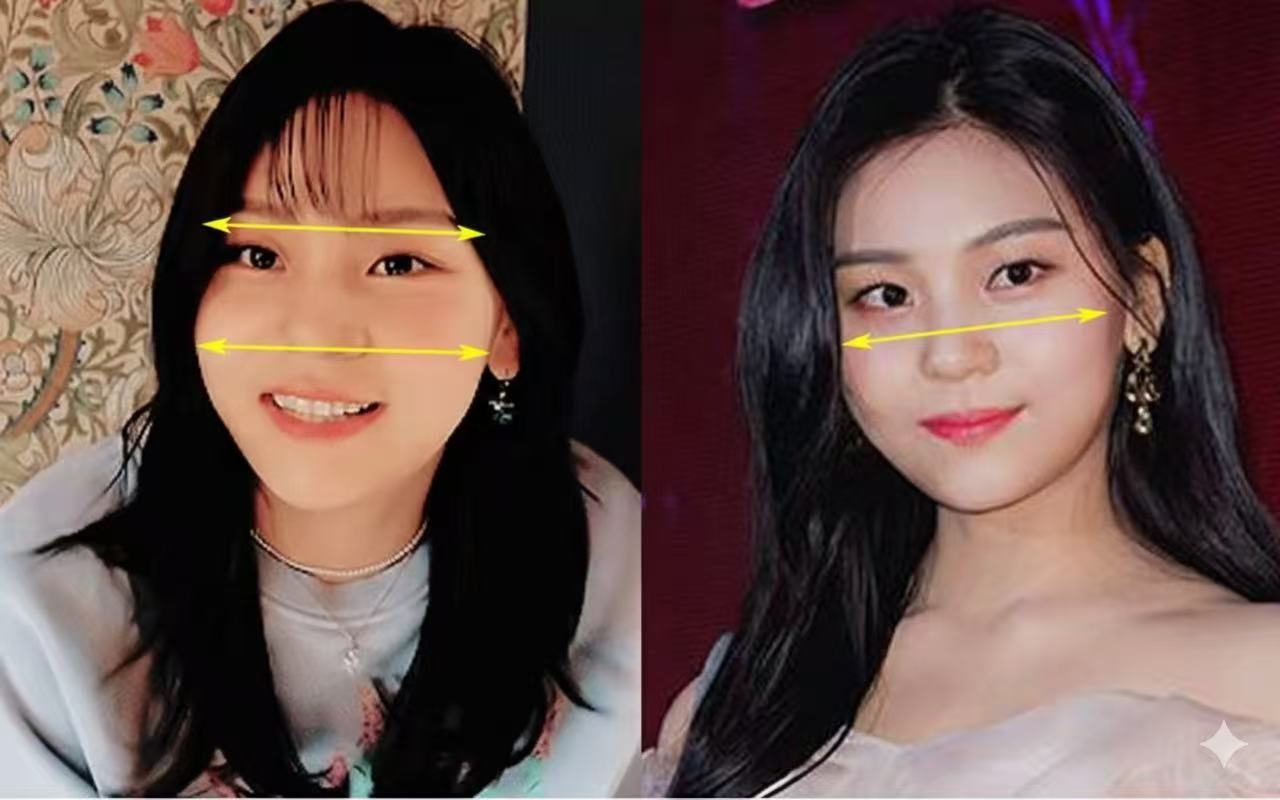
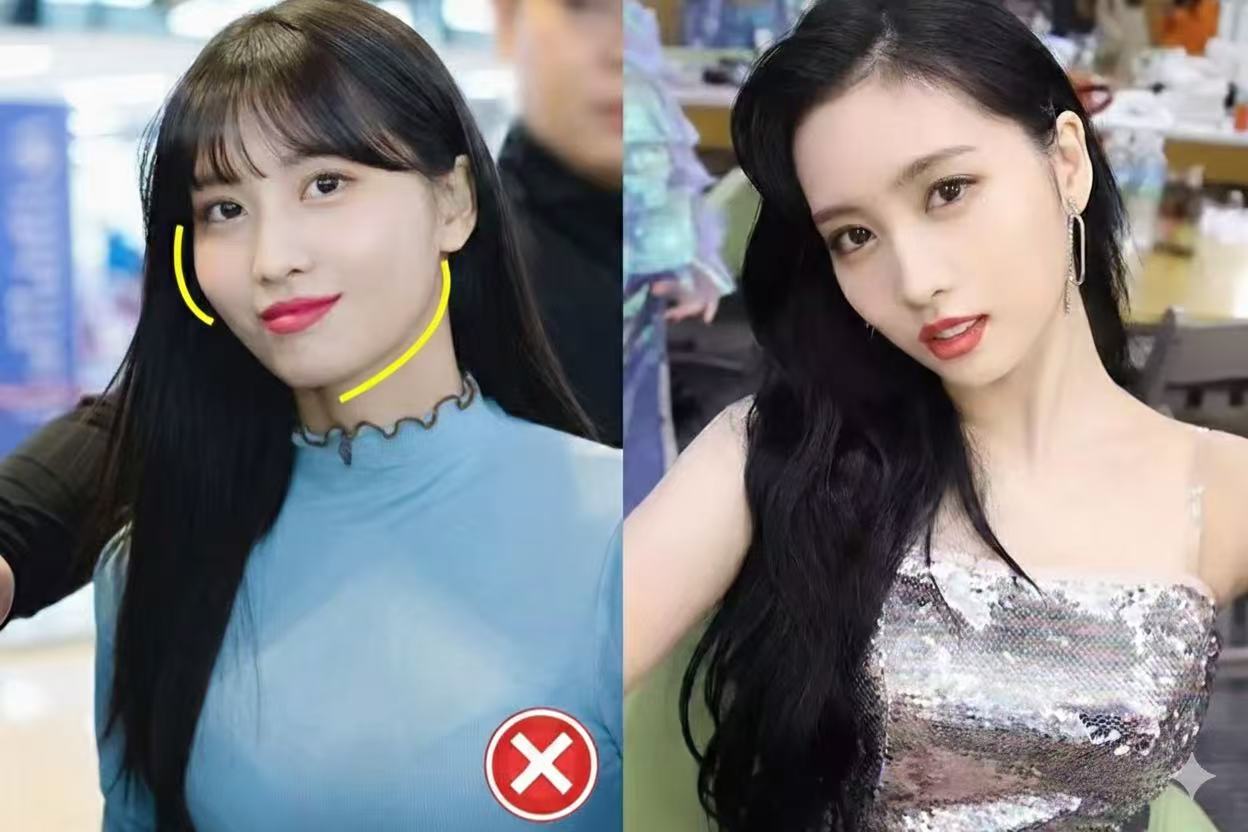
Rule 3: Soften Cheekbones (Flow & Lines)
You don't have to hide cheekbones completely. Widening the top (Rule 2) already makes cheekbones look relatively narrower.
How to cover effectively:
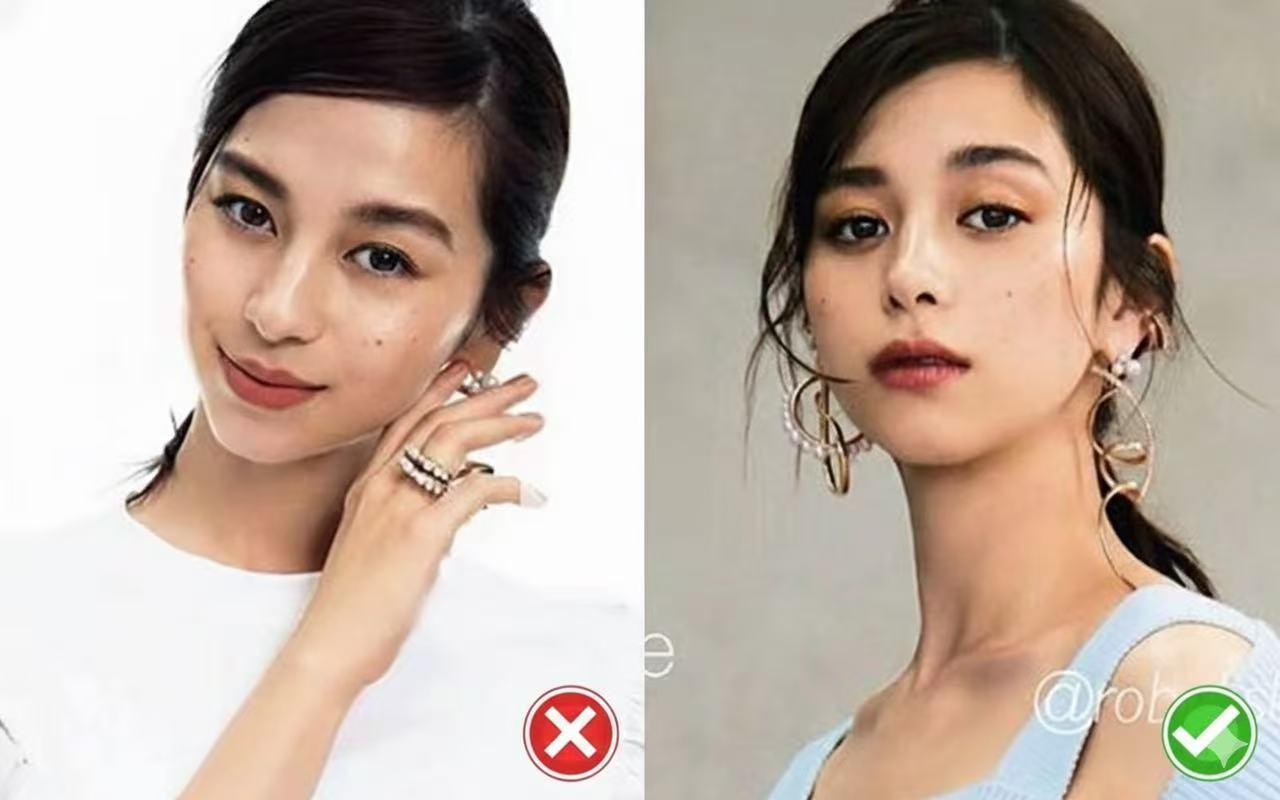
① Asymmetric Cover (S-Curve): Cover one side, expose the other (tuck behind ear). The covering side should have an "S" curve. Asymmetry distracts attention. Don't cover both sides—it looks unnatural.
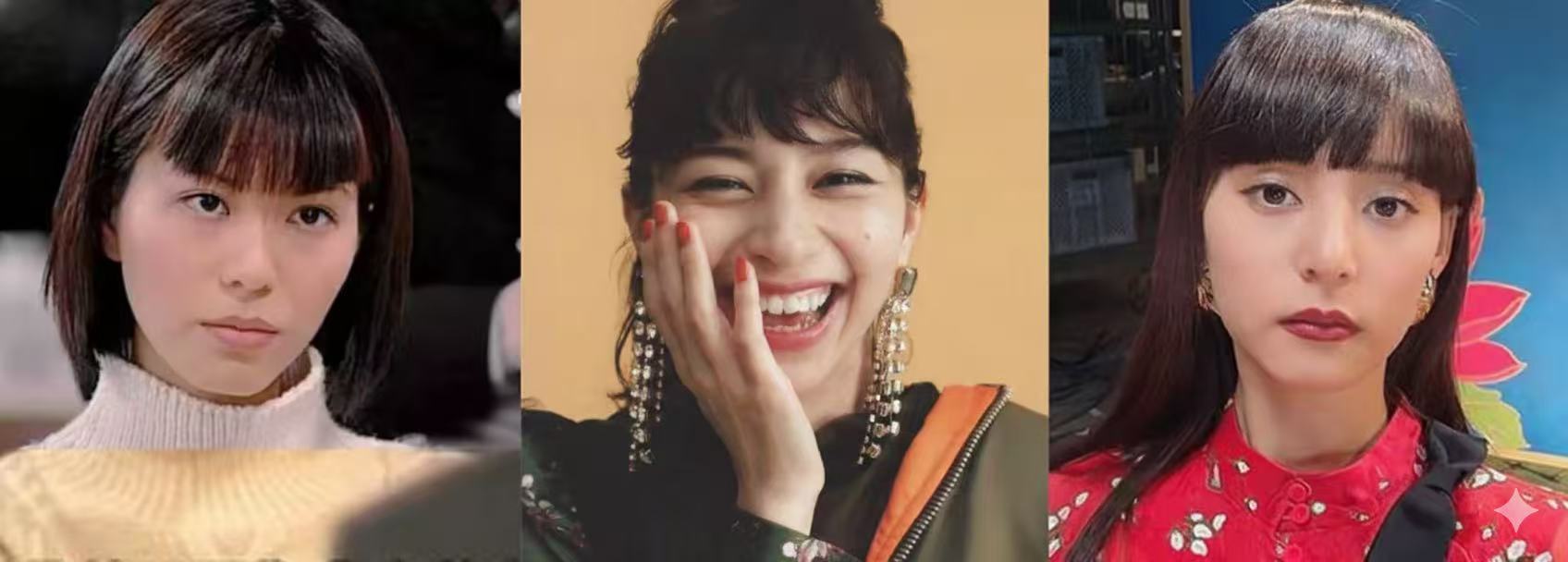
② Curtain Bangs (Eight-Shape): The best friend for diamond faces.
③ Face-Framing Strands
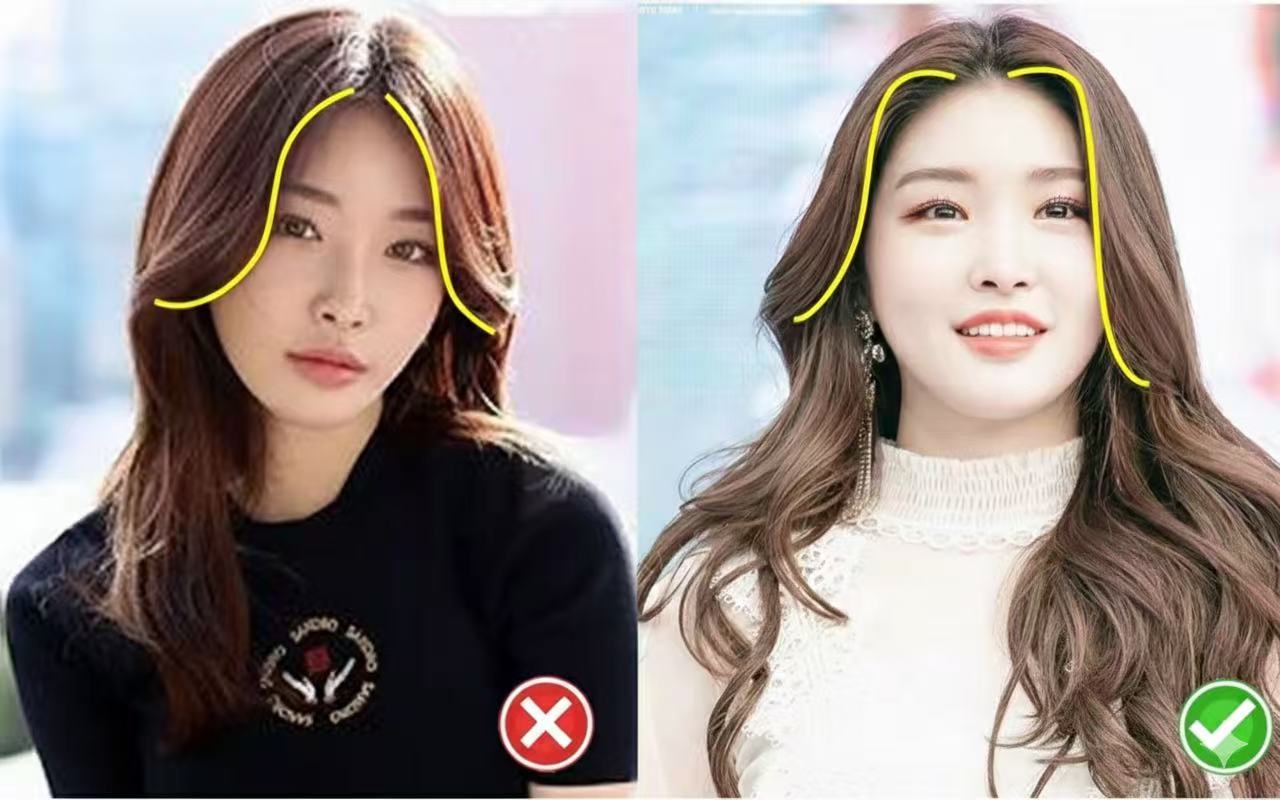
Rule 4: Lift Visual Center
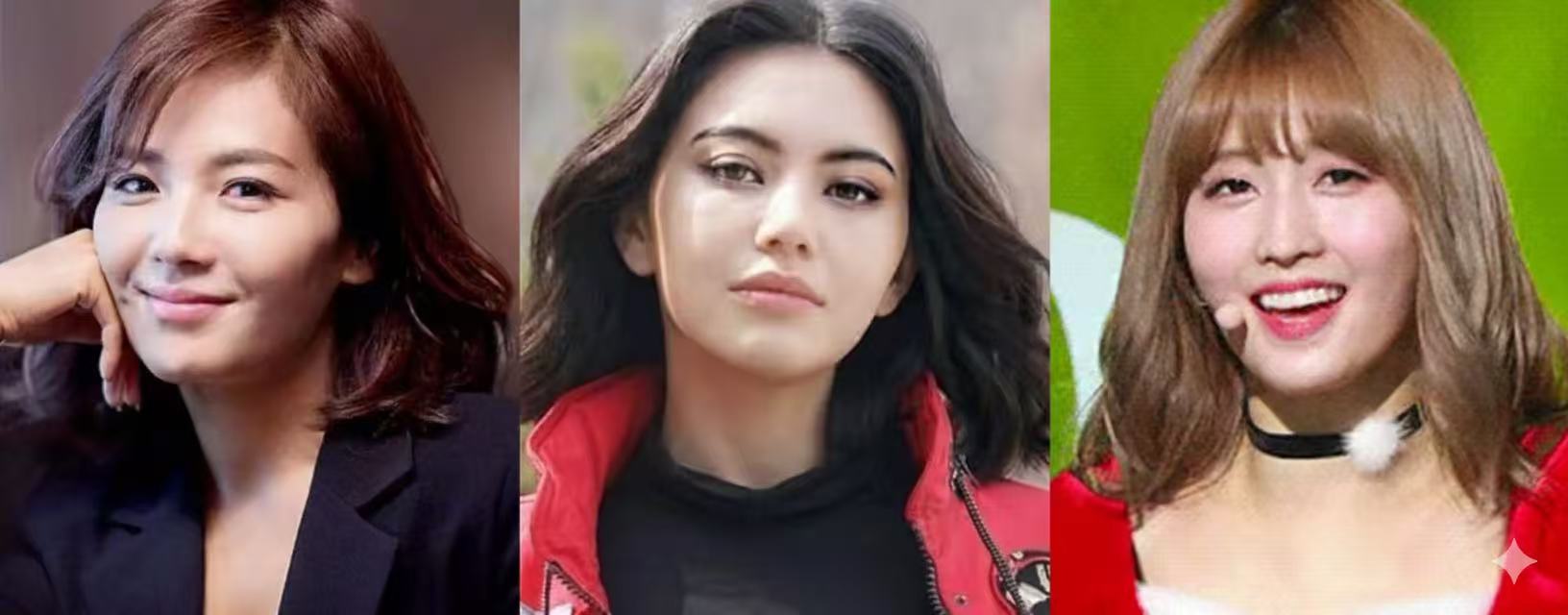
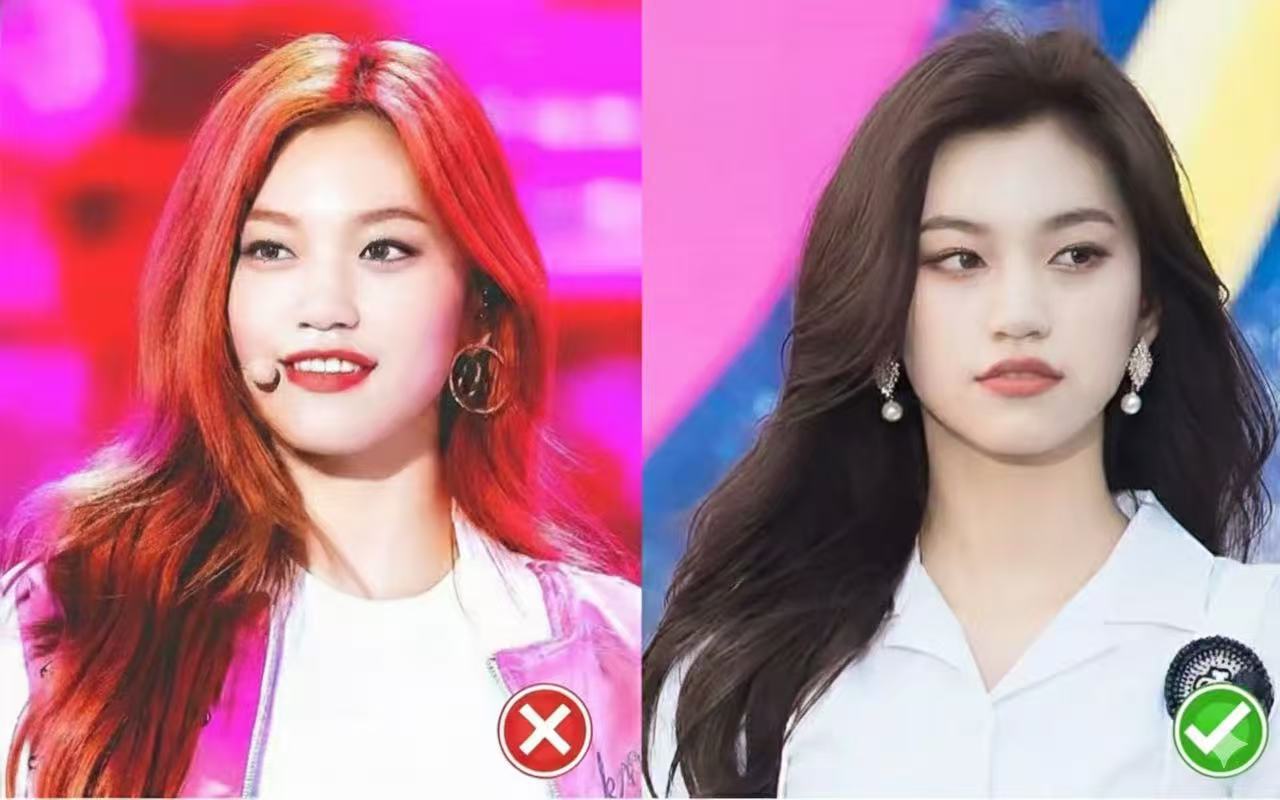
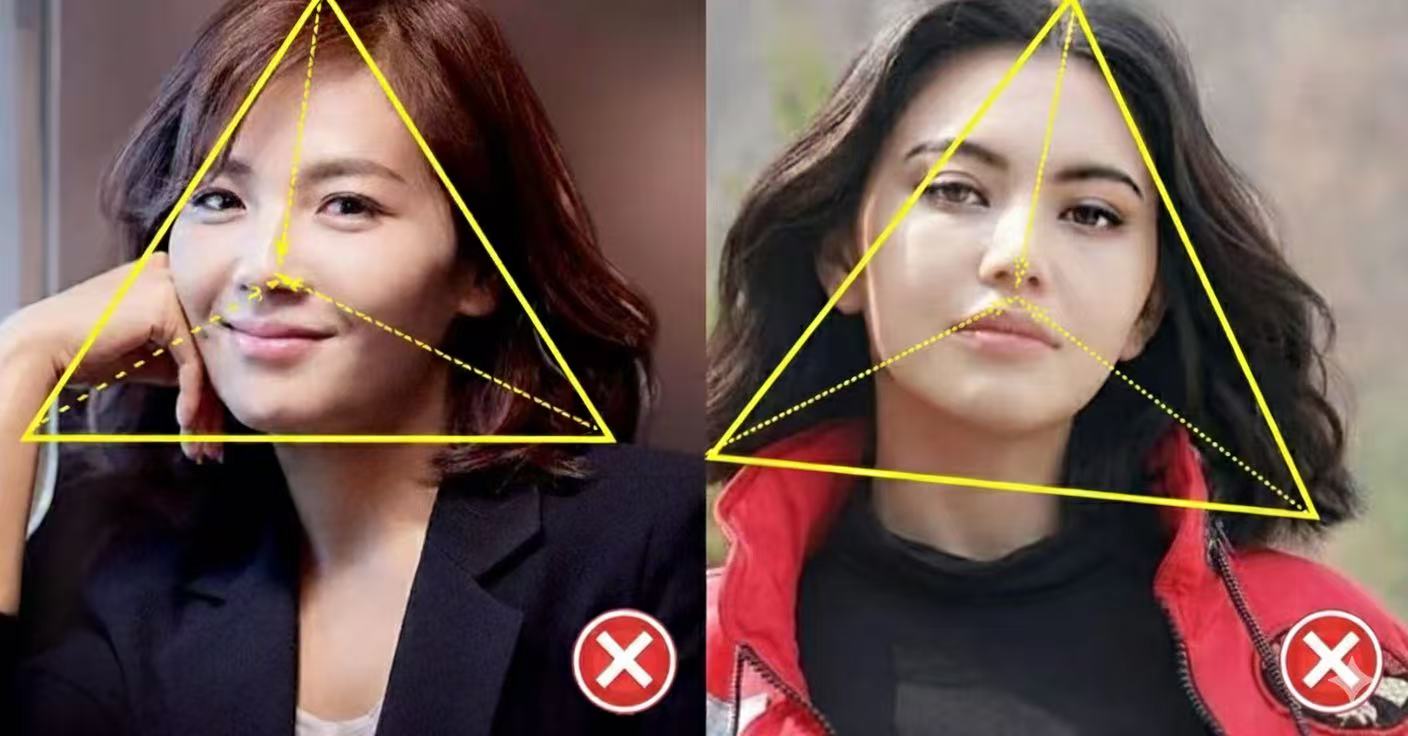
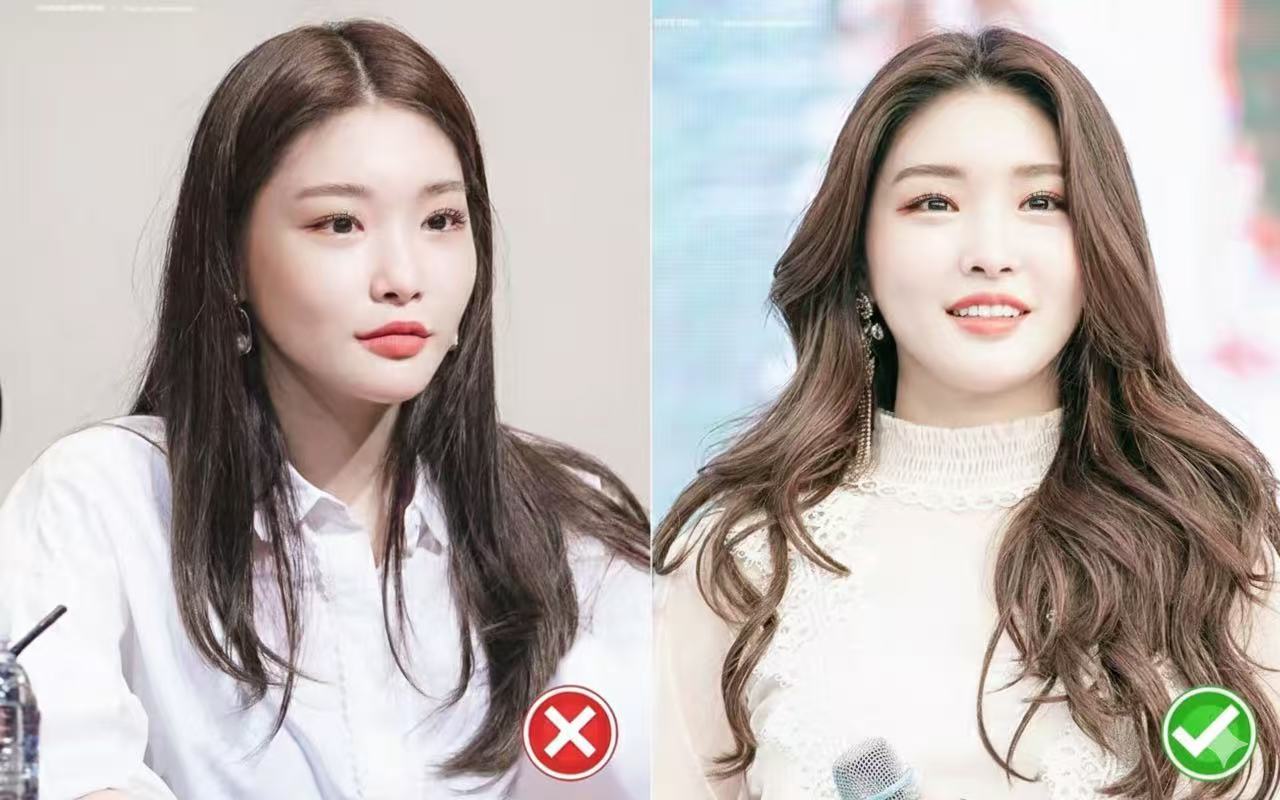
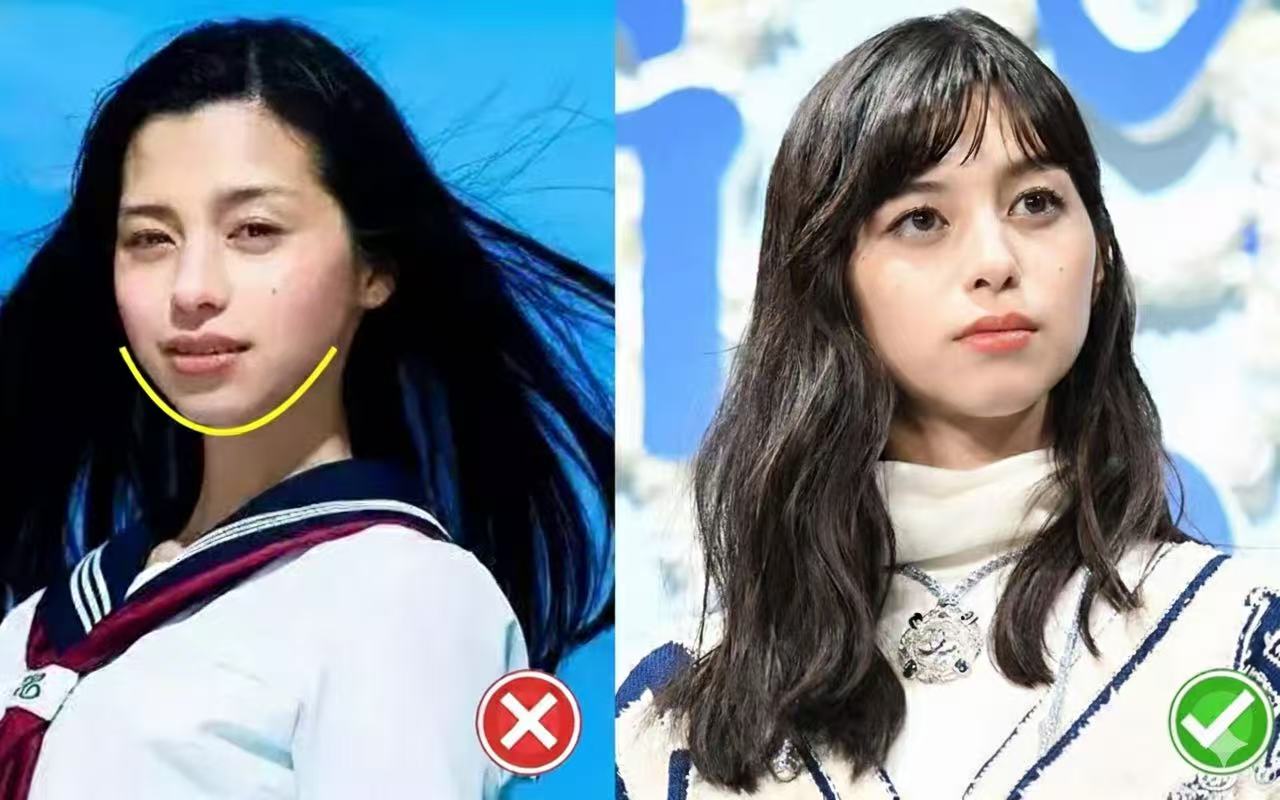
Diamond faces have pointy tops. If the chin is blunt, the visual weight drops down. Combined with heavy shoulder-length curls, you look older (Image 21).
Goal: Make top volume > bottom volume (Inverted Triangle). Lift attention to the eyes.
❌ Visual center low
✅ Visual center lifted
① Reduce Bottom Volume: Tie hair up or cut layers to lighten the neck area.
② Use Accessories: Headbands or clips add volume to the top.
③ The "Royal Flush" Combo: Tied Hair + Curtain Bangs + Head Accessory = Perfection.
Specific Style Questions
1. Long or Short Hair?
① Small face with good proportions? Both work. ② Heavy jaw or blunt chin? Avoid neck-length bobs. Go for long hair or tie it up high.
✅ Good Proportions
❌ Heavy Jaw (Keep it Long)
2. Straight or Curly?
Diamond faces have many straight lines. Straight hair makes you look harsher. Curls/Waves are better to soften the look.Soft waves balance sharp angles.
3. Bangs or No Bangs?
Bangs lower the visual center. Decide based on your lower face:
V-Chin: Bangs OK
Heavy Jaw: No Bangs
4. Black or Dyed?
Black contracts (highlights outline); Light colors expand (softening lines).
Dark: Sharp
Light: Soft
Summary: The 4 Keys
There is no single "perfect" hairstyle, but there are perfect principles for Diamond faces: 1. Adjust Hairline (Round the top). 2. Volumize Temples (Fill the narrowness). 3. Soften Cheekbones (S-Curve or Bangs). 4. Lift Visual Center (Top heavy, bottom light).