Introduction: The King of Clay and His Crown
When we think of Rafael Nadal, we picture the fierce competitor sliding across clay courts, his muscular frame, and that signature fist pump after winning a crucial point. But for many fans who have followed his career since the beginning, there's another iconic image that comes to mind: Rafael Nadal's hair.
For nearly two decades, the Spanish tennis legend has not only dominated the sport with a record-breaking 22 Grand Slam titles but has also undergone one of the most documented hair transformations in professional sports. From his luscious, flowing locks in the mid-2000s to his highly publicized battle with male pattern baldness and subsequent hair transplant, Nadal's hair journey mirrors that of millions of men worldwide.
In this comprehensive article, we'll take you through the complete evolution of Rafael Nadal's hair, examining how his hairstyle changed over the years, when hair loss first became noticeable, and what solutions he pursued. Whether you're a tennis fan, someone dealing with hair loss, or simply curious about celebrity hair transplants, this deep dive into Nadal's hair evolution offers valuable insights.
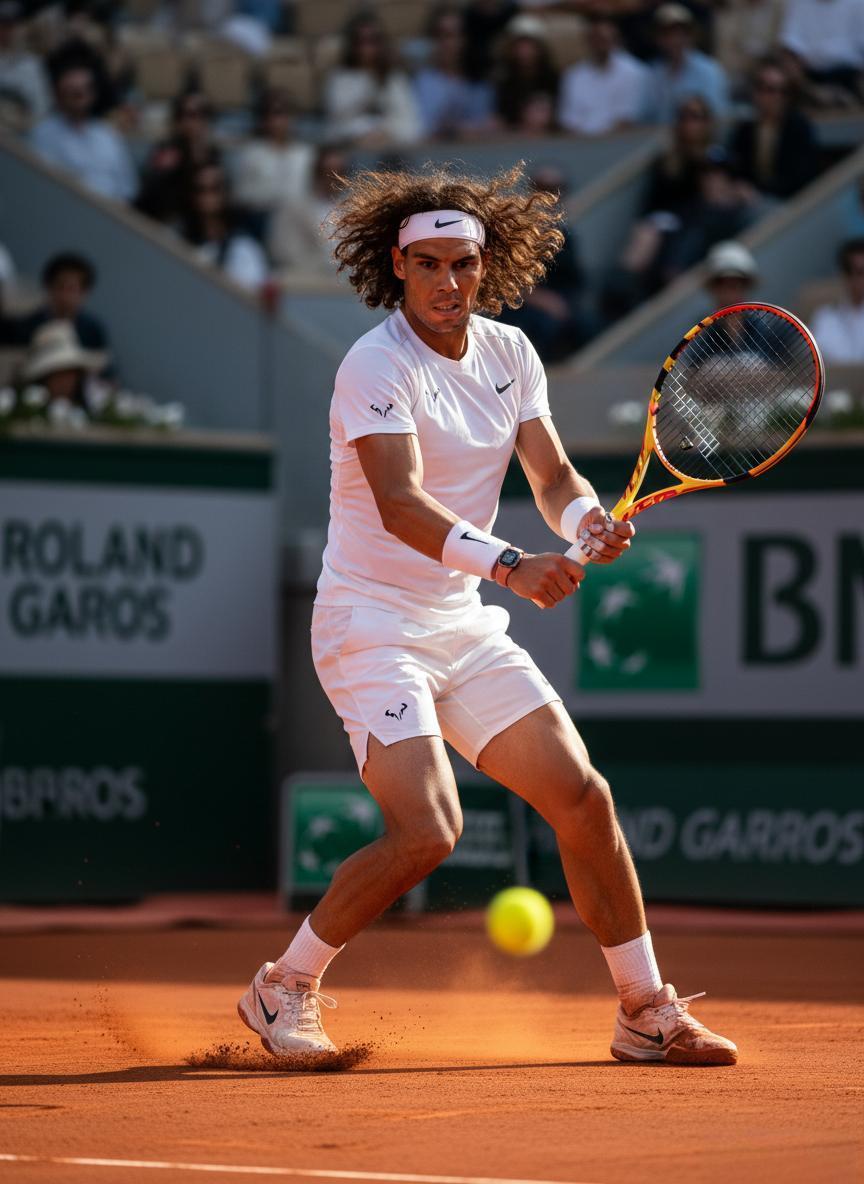
Rafael Nadal's iconic look during his prime years - the flowing hair and headband became his trademark
The Early Years: The Iconic Mane (2005-2012)
In the mid-2000s, when a teenage Rafael Nadal burst onto the professional tennis scene, his appearance was as distinctive as his playing style. While his aggressive baseline game and incredible topspin forehand caught everyone's attention, his long, dark, wavy hair flowing from under his headband became equally iconic.
During this period, Nadal sported what many fans still consider his signature look: thick, luscious locks that reached his shoulders when wet with sweat during those grueling five-set matches on clay. The hair was naturally wavy with a rich dark brown color that would lighten slightly after hours in the sun during outdoor tournaments.
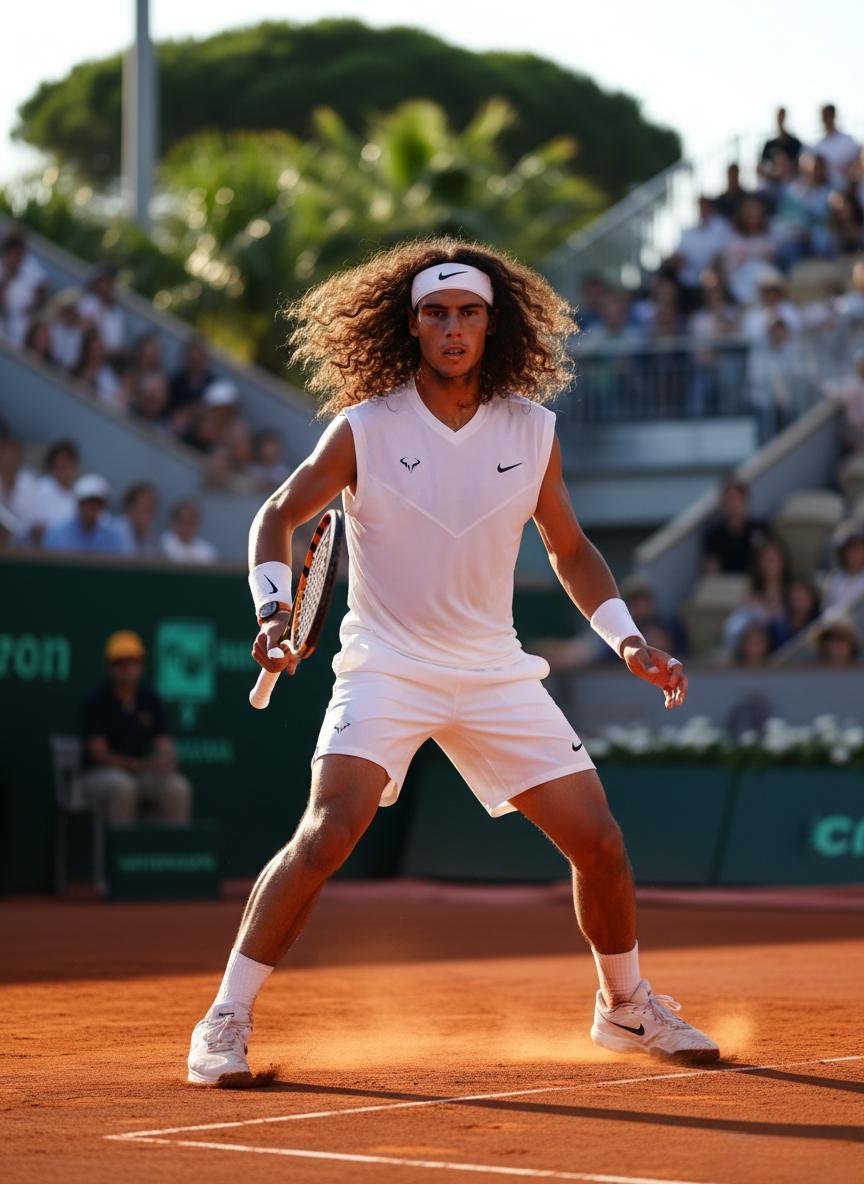
A young Rafael Nadal in 2005, showcasing his trademark long curly hair that became his signature look
"The mane," as fans affectionately called it, wasn't just about aesthetics. Nadal's hair became part of his identity on the court. The way it would become matted with sweat during intense rallies, the way he would tuck it behind his ears between points, and how his headband would keep it controlled during play - all of these became part of the Nadal experience that millions of fans around the world tuned in to watch.
By 2008, Nadal was at the peak of his physical powers, winning his first Wimbledon title in what many consider one of the greatest matches ever played. His hair was equally impressive - thick, healthy, and full of life. At 22 years old, he had what many men would envy: a full head of hair with no signs of the hair loss that would later become a concern.
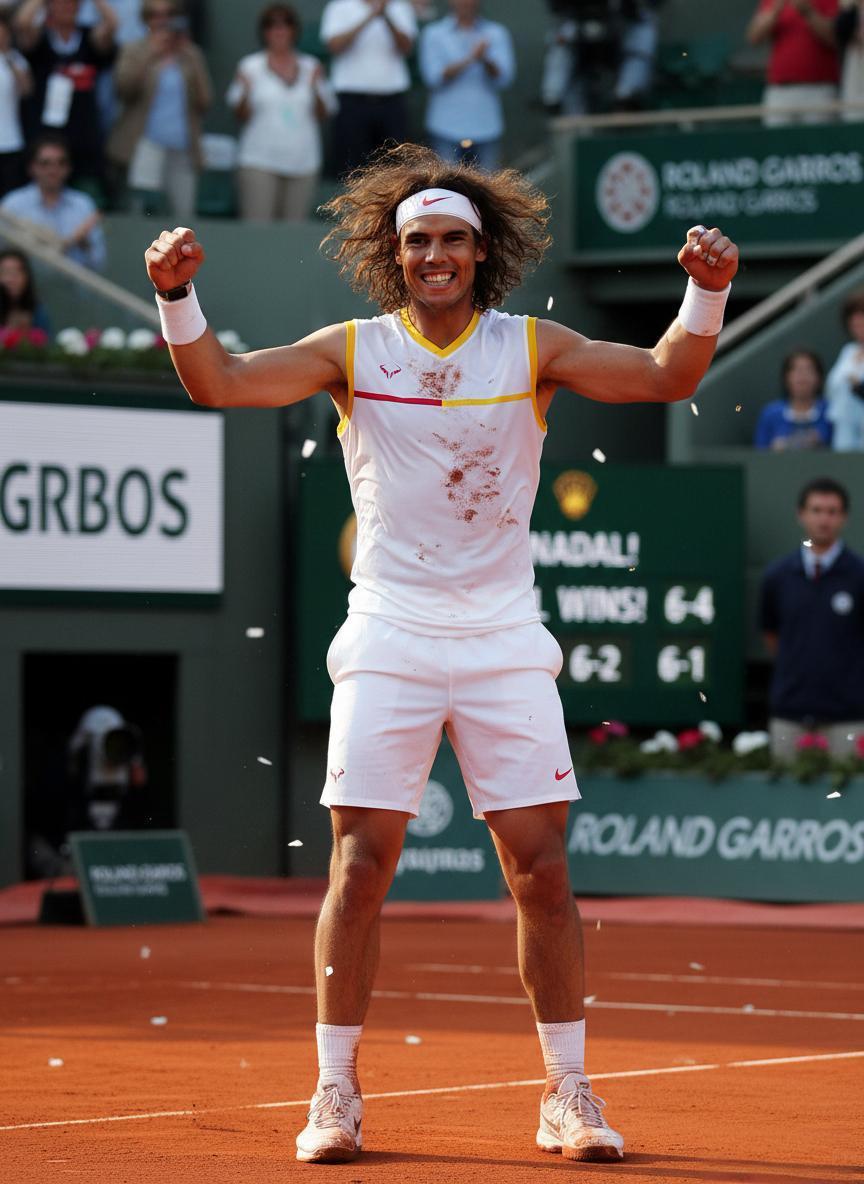
Nadal celebrating his historic 2008 Wimbledon victory - his hair was at its fullest during this period
Throughout this era, Nadal's hair became so iconic that it inspired countless fans to grow their hair long and copy his style. The combination of his athletic prowess and his distinctive look made him one of the most marketable athletes in the world, with sponsorship deals from Nike, Babolat, and numerous other brands.
First Signs of Hair Loss (2013-2015)
As Nadal entered his late twenties, eagle-eyed fans began noticing subtle changes in his hair. Around 2013, the first signs of hair thinning became apparent, particularly around his mid-part and crown area. While not immediately obvious to casual observers, dedicated fans could see that his hair was losing some of its former density.
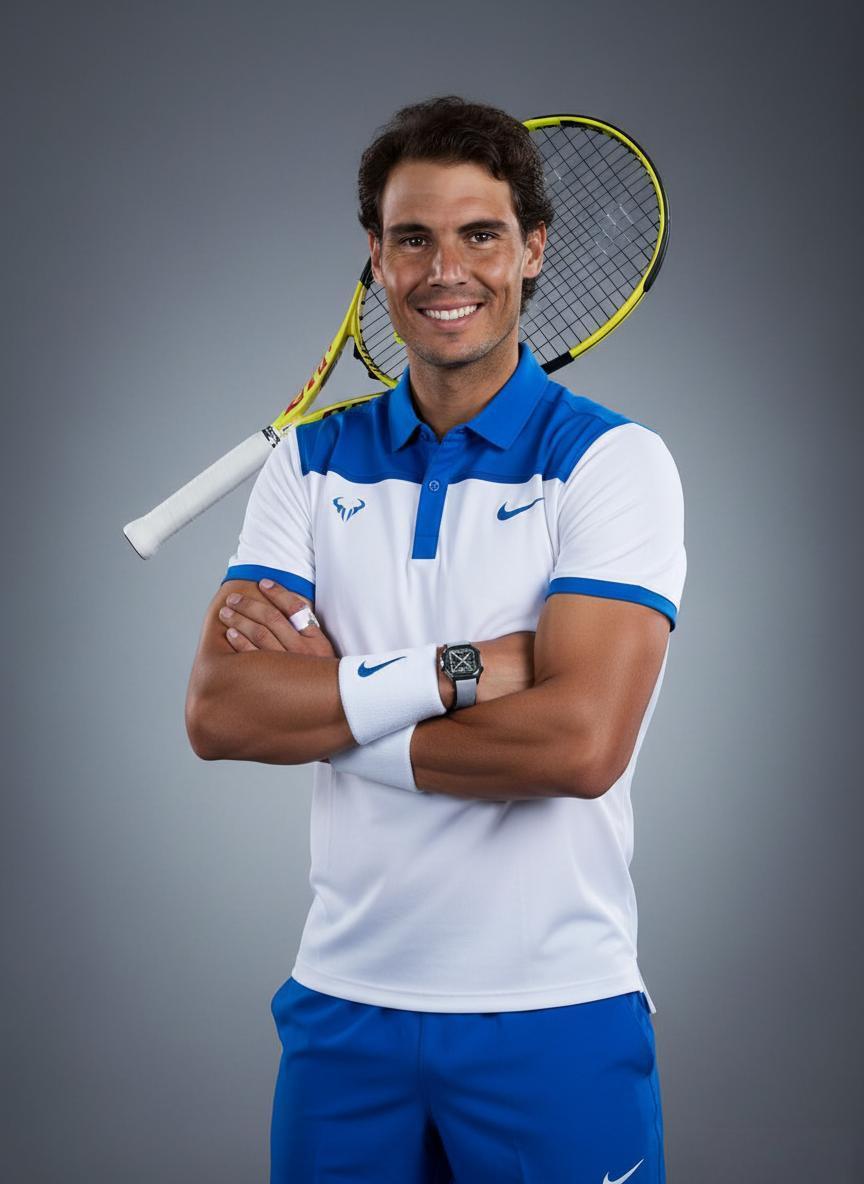
Nadal in 2011 - his hair was still thick, but subtle changes were beginning to appear
During this period, Nadal began making subtle adjustments to his hairstyle. He started wearing his hair slightly shorter and began relying more heavily on headbands and caps, particularly during practice sessions and off-court appearances. Many speculated that these changes were attempts to camouflage the early stages of hair loss.
By 2014, the hair loss had become more noticeable. Photos from tournaments showed visible thinning at the front of his scalp, and his hairline was beginning to recede. The crown of his head also appeared sparser than in previous years. At 28 years old, Nadal was experiencing what dermatologists call androgenetic alopecia - male pattern baldness.
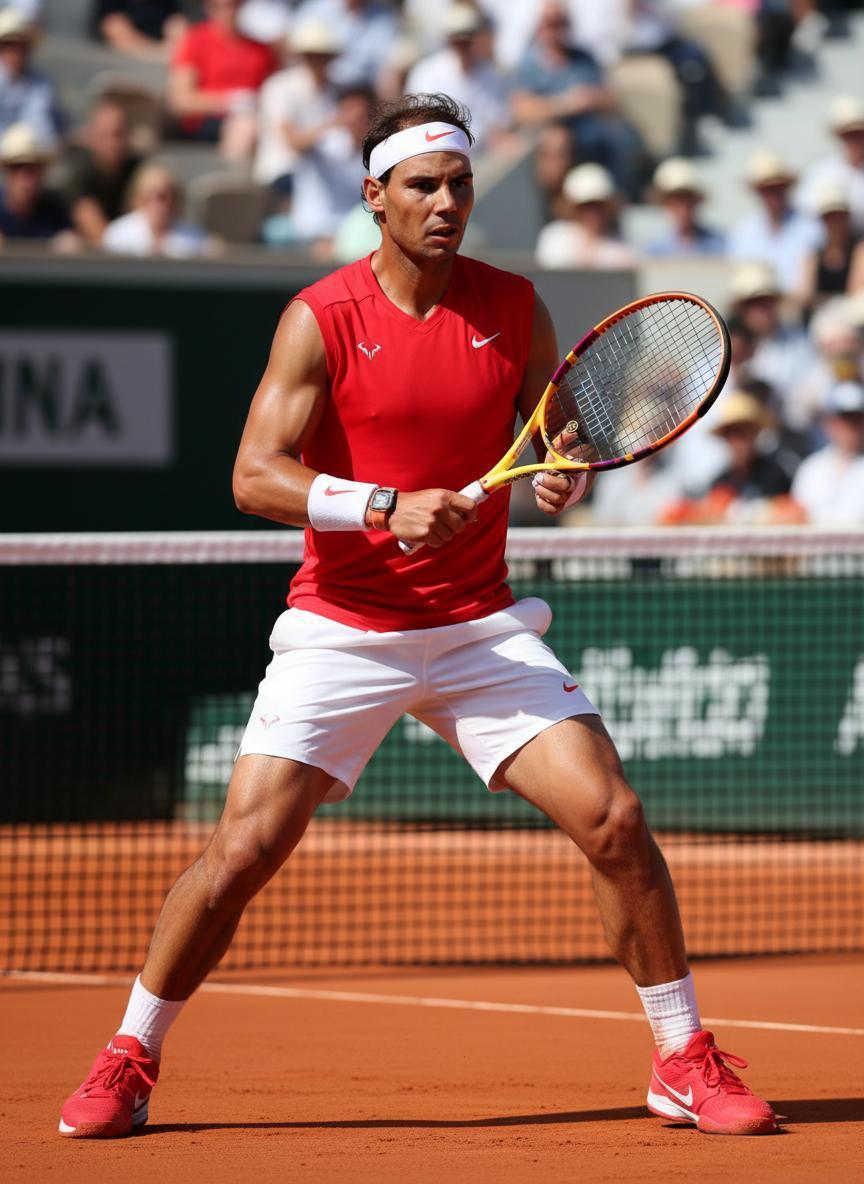
By 2014, early signs of hair thinning became visible, particularly around the crown area
Interestingly, some experts have suggested that the stress of professional tennis may have accelerated Nadal's hair loss. The intense physical demands, the pressure of competing at the highest level, and the constant travel schedule can all contribute to increased cortisol levels, which in turn can exacerbate hair loss in individuals genetically predisposed to male pattern baldness.
Peak Hair Loss: The 2016 Crisis
The year 2016 marked the most challenging period in Nadal's hair journey. Photos from tournaments clearly showed significant hair thinning across his entire scalp. His hairline had receded considerably, and the crown of his head displayed visible bald patches that were difficult to hide, even with clever styling.
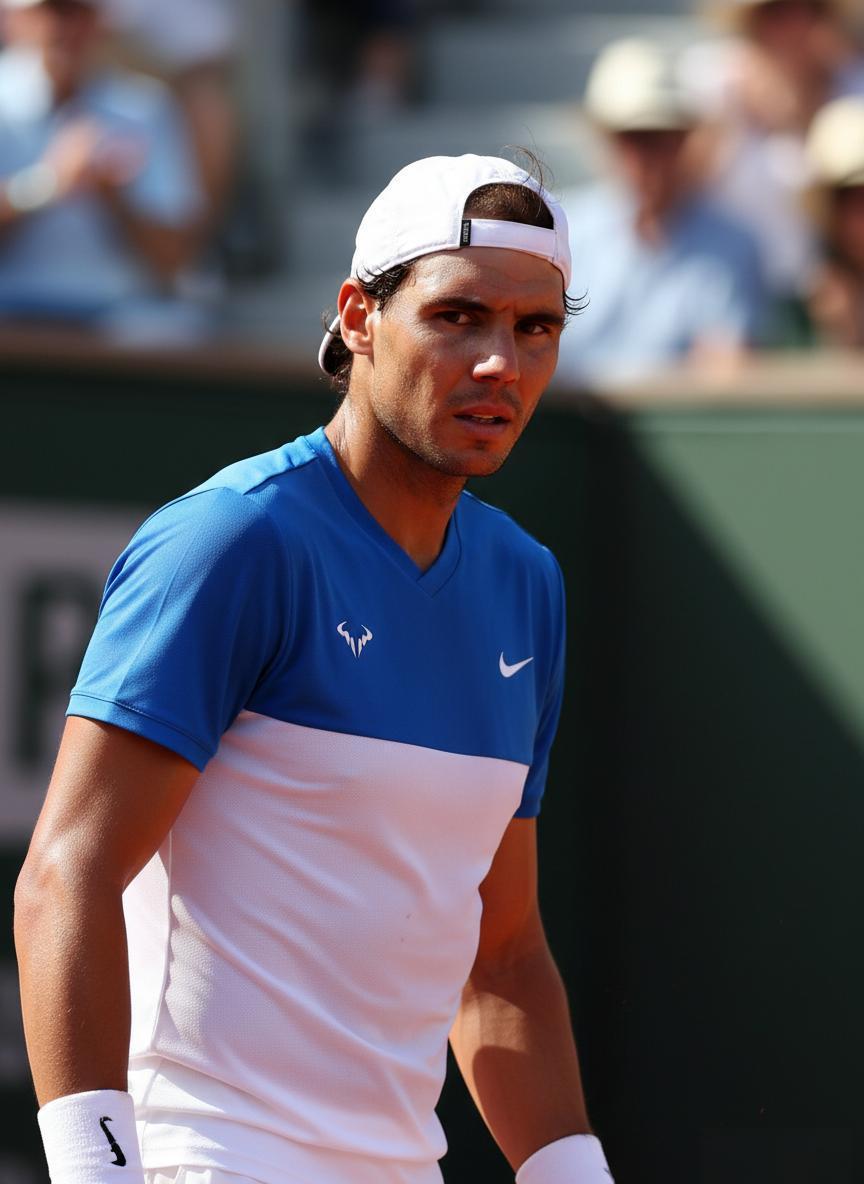
Nadal in 2016 - his hair loss had become significant, leading him to wear caps more frequently
During this period, Nadal was frequently photographed wearing baseball caps during practice sessions and public appearances. While athletes often wear caps for sun protection, the timing and frequency of Nadal's cap-wearing led many to speculate that he was using them to conceal his hair loss.
The extent of his hair loss became particularly evident during the 2016 Wimbledon tournament, when he removed his headband after a match and tossed it to fans. The images that circulated on social media showed considerable thinning across his scalp, sparking widespread discussion about his hair situation.
It was during this time that reports began circulating in Spanish media that Nadal was considering hair restoration options. The Sunday People newspaper reported in late 2016 that the tennis star had undergone a hair transplant procedure in Madrid, Spain. While Nadal himself never publicly confirmed these reports, the visual evidence in the following months seemed to support them.
The Hair Transplant: Nadal's Solution
According to media reports, Rafael Nadal underwent a Follicular Unit Extraction (FUE) hair transplant in Madrid in 2016. This procedure, performed by a specialist surgeon, involved transplanting approximately 4,500 hair grafts from the back and sides of his scalp to the thinning areas on top and at the front.
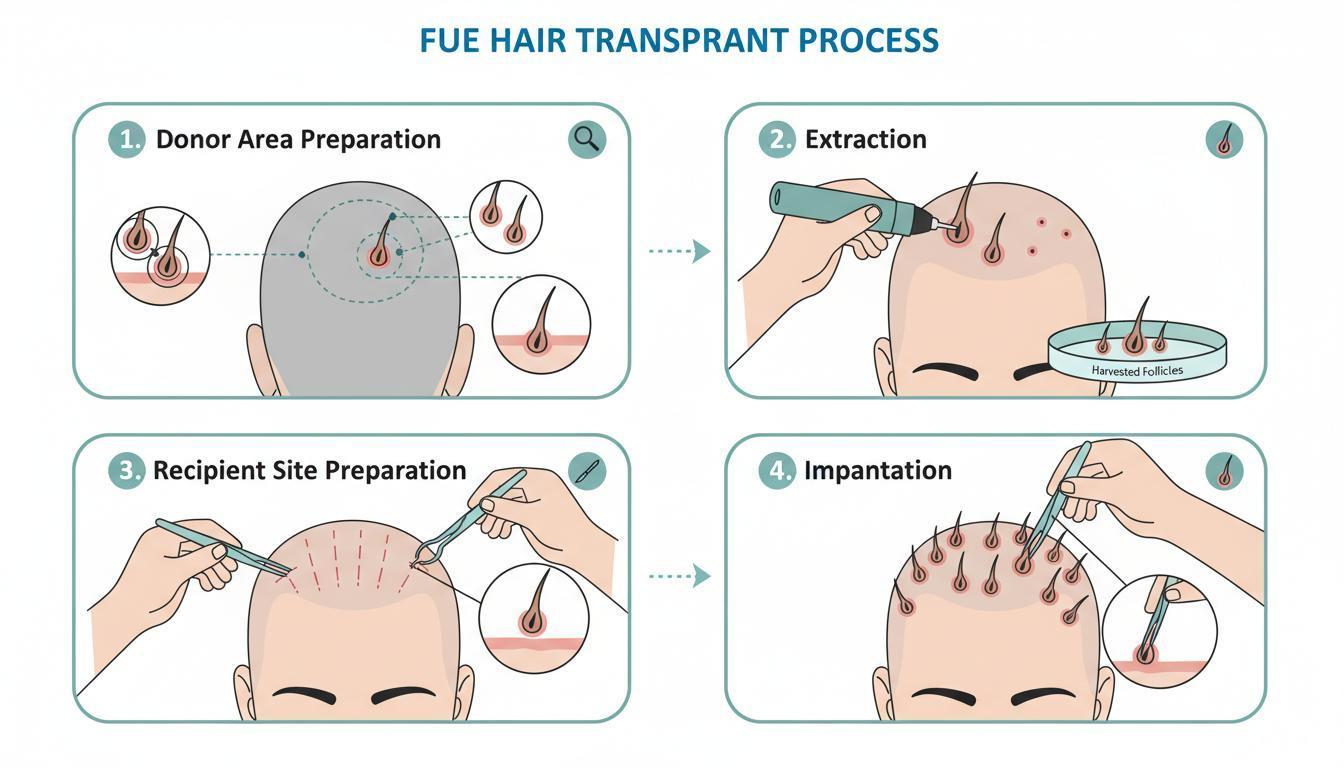
The FUE (Follicular Unit Extraction) procedure involves extracting individual hair follicles and transplanting them to balding areas
The FUE method is particularly popular among athletes and celebrities because of its relatively quick recovery time. Unlike older FUT (Follicular Unit Transplantation) methods that involve removing a strip of scalp, FUE extracts individual follicles using a specialized punch tool. This results in minimal scarring and allows patients to return to their normal activities within days.
For someone like Nadal, whose career depends on maintaining peak physical condition and public appearances, FUE was the ideal choice. The procedure typically takes 8-10 hours to complete and is performed under local anesthesia. Most patients can resume light activities the next day, though strenuous exercise is usually restricted for about two weeks.
"FUE hair transplants are particularly popular among athletes because the recovery is fast and there's minimal downtime. Most patients can return to training within a week."
— Hair Restoration SpecialistThe cost of such a procedure varies widely depending on the clinic and the number of grafts, but for a high-profile patient like Nadal, estimates suggest the procedure could have cost anywhere from $15,000 to $30,000. However, for someone earning millions annually from tennis prize money and endorsements, this investment in his appearance was likely a worthwhile consideration.
It's worth noting that while hair transplants can restore hair to balding areas, they don't stop the progression of male pattern baldness. The transplanted hair is typically taken from areas resistant to DHT (dihydrotestosterone), the hormone responsible for hair loss, but the existing natural hair can continue to thin over time.
Post-Transplant Success (2017-2020)
By 2017, just months after his reported hair transplant, Nadal appeared in public with noticeably fuller hair. The transformation was remarkable - his hair looked thicker, denser, and remarkably similar to how it had appeared in his early twenties.
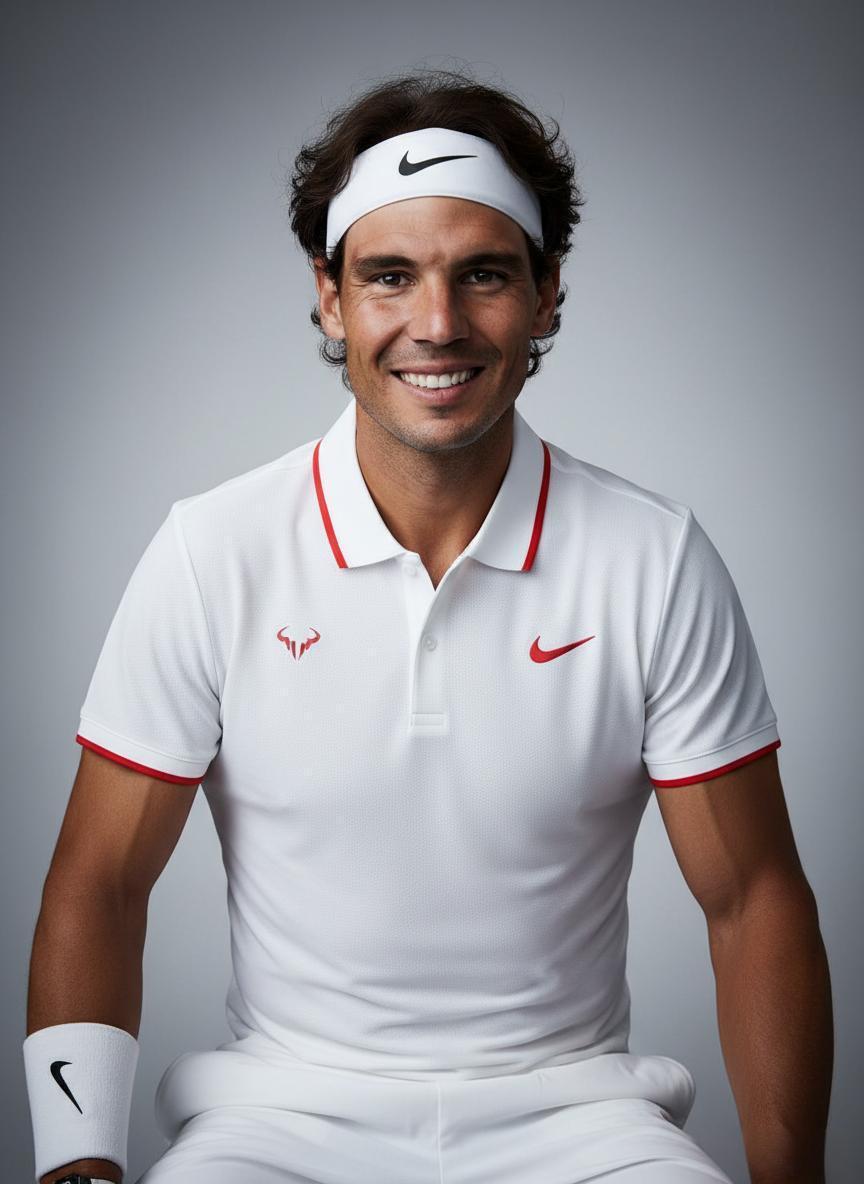
Nadal in 2017, showing the impressive results of his hair transplant procedure
During the period from 2017 to 2020, Nadal enjoyed what appeared to be a successful hair restoration. He was routinely photographed with thick, dark hair at tournaments and public events. The hair transplant seemed to have given him the results he was hoping for, allowing him to maintain his appearance while continuing to compete at the highest level of professional tennis.
During this time, Nadal won multiple Grand Slam titles, including his 12th French Open in 2019 and his 19th and 20th major titles at the US Open and French Open in 2019 and 2020 respectively. His restored hair seemed to coincide with one of the most successful periods of his already legendary career.
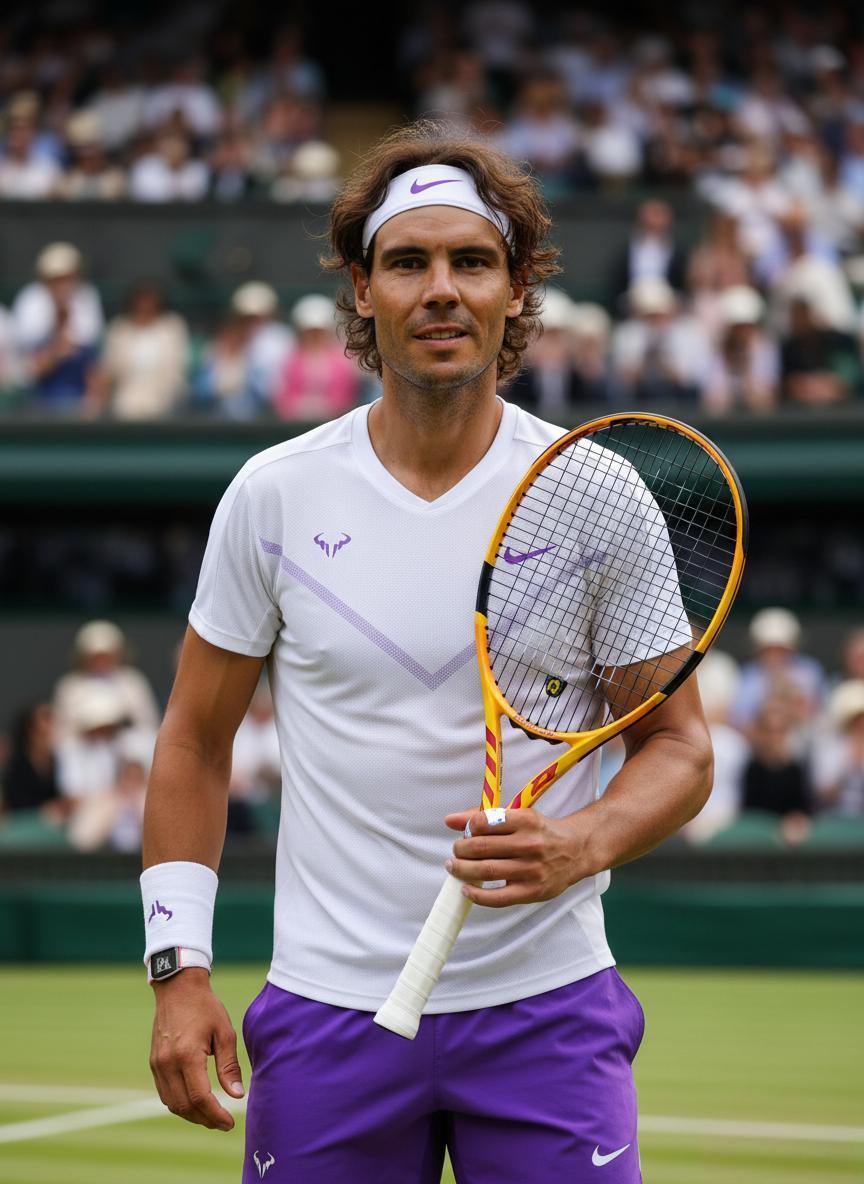
Nadal at Wimbledon in 2020 - his hair remained full and thick during this period
Recent Years: The Ongoing Battle (2021-2024)
Unfortunately for Nadal, the success of his 2016 hair transplant proved to be temporary. By 2021, fans began noticing that his hair was thinning again. The reality of hair transplants is that while they can restore hair to balding areas, they cannot prevent continued hair loss in untreated areas or stop the progression of male pattern baldness.
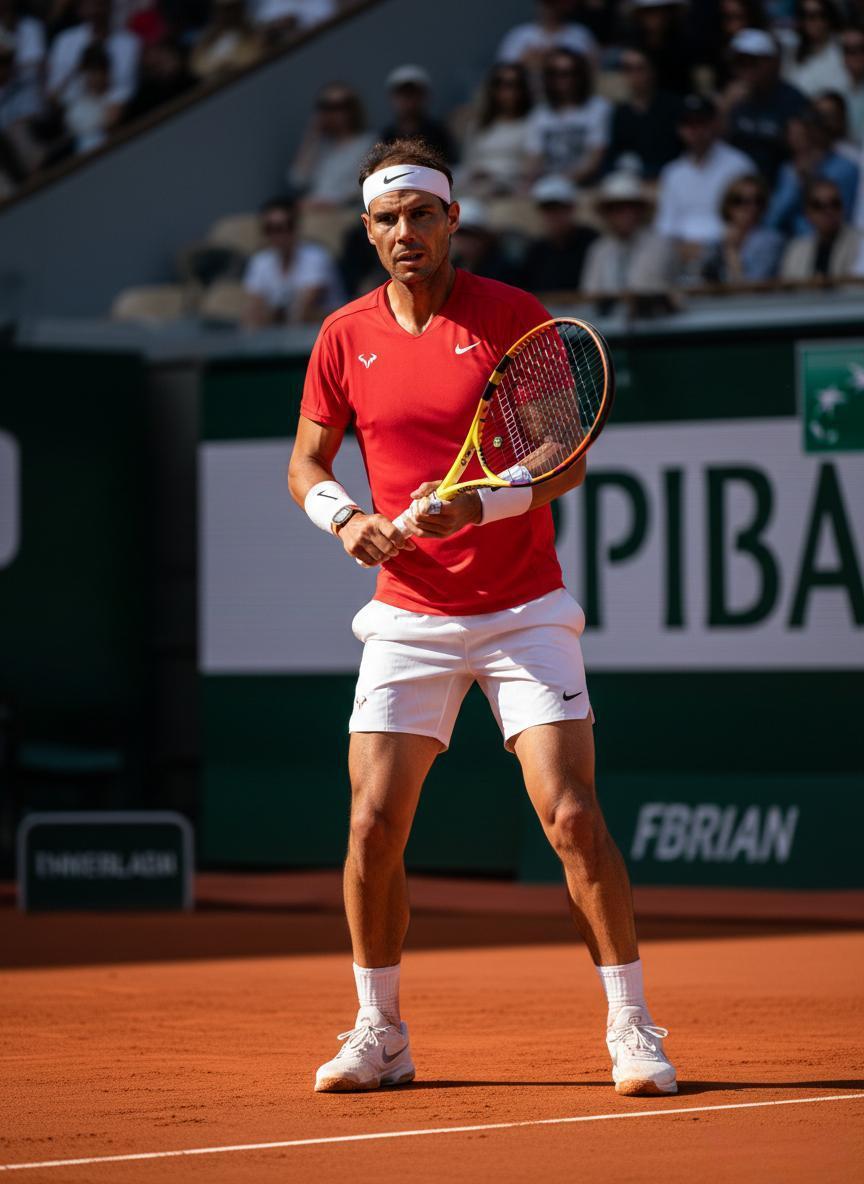
By 2022, renewed hair thinning became visible, demonstrating the ongoing nature of male pattern baldness
During the 2022 and 2023 seasons, Nadal's hair loss became increasingly apparent. At the Australian Open and Wimbledon tournaments, television cameras captured clear images of his thinning hair, particularly when wet from sweat. The hair loss was most noticeable around his crown and frontal areas.
Fans on social media were quick to comment on his changing appearance, with many expressing sympathy for the tennis legend's ongoing battle with hair loss. Some speculated that he might undergo a second hair transplant, while others noted that he seemed to be embracing his changing appearance with shorter, more practical hairstyles.
By 2024, Nadal had largely transitioned to shorter, more cropped hairstyles that work better with thinning hair. This pragmatic approach reflects a mature acceptance of the situation - rather than fighting against nature with elaborate styling or additional procedures, he has chosen to adapt his look to his current hair situation.
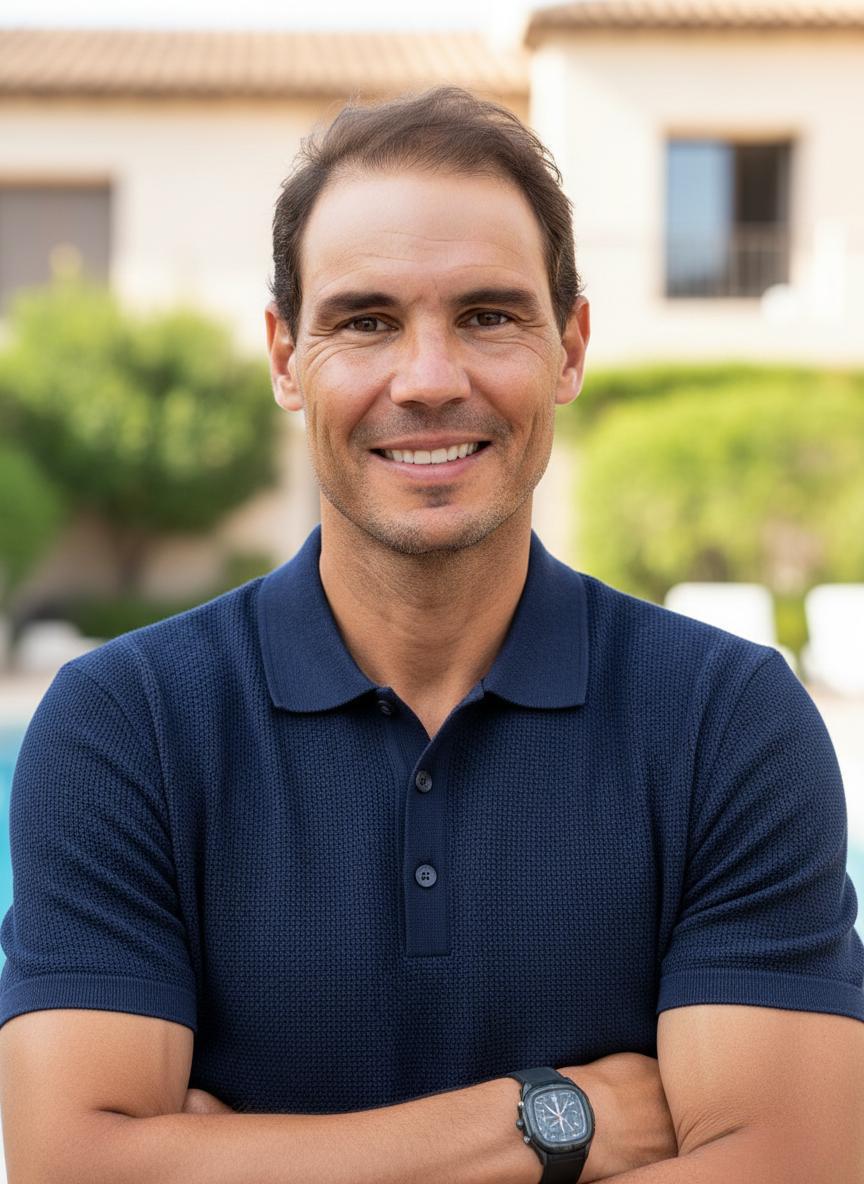
Nadal in 2024, embracing a shorter, more practical hairstyle that works with his current hair situation
What We Can Learn from Nadal's Journey
Rafael Nadal's hair evolution offers several valuable lessons for anyone dealing with hair loss:
1. Early Intervention Matters
Nadal's hair loss became noticeable in his late twenties, which is actually quite typical for men with male pattern baldness. The earlier you address hair loss, the more options you have available. Treatments like finasteride and minoxidil are most effective when started early.
2. Hair Transplants Are Effective But Not Permanent
Nadal's 2016 hair transplant produced impressive results, but the ongoing nature of male pattern baldness meant that continued hair loss in untreated areas eventually affected his overall appearance. Anyone considering a hair transplant should understand that it may not be a one-time solution.
3. Hairstyles Can Make a Difference
Throughout his hair loss journey, Nadal experimented with different hairstyles to manage his appearance. From longer styles that provided coverage to shorter, more practical cuts, choosing the right hairstyle can significantly impact how hair loss is perceived.
4. Acceptance Is Part of the Process
Nadal's recent embrace of shorter hairstyles demonstrates a healthy approach to dealing with hair loss. While treatments and transplants can help, there's also value in accepting the natural aging process and adapting your style accordingly.
85%
of men experience hair loss by age 50
4,500
grafts in Nadal's reported transplant
22
Grand Slam titles won by Nadal
Try Hairstyles Yourself with AI
One of the challenges Nadal faced throughout his hair journey was not knowing how different hairstyles would look on him until he actually tried them. Today, thanks to advances in artificial intelligence, you don't have to face the same uncertainty.
At AI Hair Studio, we've developed cutting-edge AI technology that allows you to virtually try on over 150 different hairstyles before making any commitments. Simply upload a photo of yourself, and our AI will show you realistic previews of how various hairstyles would look on you.
Whether you're dealing with hair loss like Nadal and want to find the best styles for thinning hair, or you're simply curious about trying a new look, our AI-powered platform can help you make informed decisions about your hairstyle.
Discover Your Perfect Hairstyle
Try on 150+ hairstyles instantly with our AI-powered virtual try-on technology. See how different styles look on you before visiting the salon.
Try AI Hair Studio FreeOur AI face shape analysis can also recommend the best hairstyles for your specific face shape, just like a professional stylist would. Whether you have a round face, square face, oval face, or any other shape, we'll help you find styles that complement your features.
Don't let hair loss dictate your style. Take control of your appearance and explore the possibilities with AI Hair Studio today.
Rafael Nadal Hair Transplant Male Pattern Baldness Celebrity Hair FUE Procedure Hair Loss Treatment Tennis
AI
AI Hair Studio Team
We're passionate about helping people discover their perfect hairstyle through cutting-edge AI technology. Our team combines expertise in artificial intelligence, hair styling, and digital imaging to create the most realistic virtual try-on experience available.